
China waives 125% tariff on US ethane, easing trade tensions
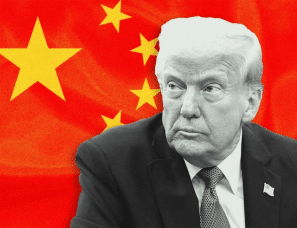
China has waived a 125% tariff on US ethane imports, signaling a potential de-escalation in US-China trade tensions. This selective tariff relief may reduce pressure on the EU to implement retaliatory measures, potentially stabilizing broader market dynamics and trade relationships.
China's decision to waive the 125% tariff on US ethane represents a strategic pivot in bilateral trade negotiations. Ethane, a critical feedstock for petrochemical production, has been a flashpoint in trade disputes due to its importance to manufacturing sectors. By removing this barrier, China signals willingness to normalize specific trade relationships, particularly in energy-dependent industries. This move carries geopolitical significance beyond commodity markets, as it demonstrates that targeted concessions can reduce escalation cycles in trade wars. The broader context reveals ongoing tension between major economies over tariff structures, supply chain security, and industrial policy. China's selective approach—waiving tariffs on specific goods rather than implementing blanket trade reductions—suggests negotiators are pursuing precision diplomacy rather than comprehensive trade agreements. The EU's potential reduced need for retaliatory measures becomes crucial, as coordinated Western trade actions amplify economic damage across all parties. Market participants monitoring energy and chemical stocks should note that tariff relief typically reduces production costs and improves profit margins for downstream manufacturers. The stability this brings to energy markets could support capital allocation away from inflation hedges and toward growth assets. However, the selective nature of this relief indicates the broader trade environment remains fragmented and unpredictable. Traders should watch for whether this represents a sustained policy shift or a temporary concession used as negotiating leverage. Future developments hinge on whether additional tariff categories face similar relief and how quickly this translates into actual commodity flow increases.
- →China waived a 125% tariff on US ethane, potentially reducing trade escalation between major economies
- →Selective tariff relief may discourage EU retaliatory measures, stabilizing broader trade relationships
- →Energy commodity markets and downstream petrochemical manufacturers could benefit from reduced production costs
- →The move signals precision diplomacy but does not indicate comprehensive trade agreement resolution
- →Investors should monitor whether this relief extends to other tariffed categories and assess policy sustainability