
China’s $1.5T Belt and Road fails to cut reliance on Strait of Hormuz oil
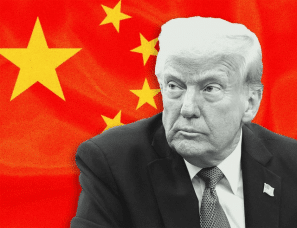
Despite China's $1.5 trillion Belt and Road Initiative, the country remains heavily dependent on the Strait of Hormuz for oil imports, exposing its economy to geopolitical risks. This structural vulnerability threatens China's GDP growth targets and highlights the limitations of infrastructure investments in achieving energy diversification.
China's Belt and Road Initiative (BRI) has fundamentally reshaped global infrastructure development since 2013, yet the initiative's failure to meaningfully reduce reliance on the Strait of Hormuz reveals critical gaps in strategic energy planning. The Strait remains one of the world's most critical chokepoints, with approximately 20-30% of global oil passing through its narrow waters annually. China's dependency persists despite billions invested in alternative trade routes and infrastructure projects across Asia, Africa, and the Middle East.
This paradox stems from several structural factors. First, most BRI investments target port infrastructure and land-based corridors rather than energy security diversification. Second, Middle Eastern oil producers remain the most cost-effective suppliers, creating persistent economic incentives that infrastructure alone cannot overcome. Third, geopolitical tensions—including U.S. sanctions on Iran, regional conflicts, and naval presence in the Gulf—continue to complicate alternative sourcing strategies regardless of infrastructure improvements.
For cryptocurrency and blockchain markets, this dynamic carries implications for energy-backed asset development and geopolitical hedging strategies. Energy security concerns historically drive demand for non-fiat denominated assets and cross-border payment systems. If supply chain disruptions through the Strait intensify, we could witness increased institutional interest in blockchain-based commodity trading and decentralized energy finance.
Looking ahead, China's vulnerability may accelerate investment in renewable energy solutions and blockchain applications for energy trading. Monitor developments in China's renewable capacity expansion and any cryptocurrency initiatives targeting energy-backed tokenization, as these represent market responses to persistent Strait of Hormuz dependency.
- →China's $1.5 trillion BRI has not reduced strategic vulnerability to Strait of Hormuz disruptions despite massive infrastructure investment
- →The Strait of Hormuz remains critical for global oil supply, making geopolitical risks in the region economically consequential for major importers
- →Structural economic factors favor Middle Eastern suppliers regardless of alternative trade routes, limiting BRI's effectiveness in energy diversification
- →Energy security concerns may drive increased adoption of blockchain-based commodity trading and decentralized finance solutions
- →China's persistent oil import dependency could accelerate renewable energy and energy-backed tokenization initiatives