
China’s control over indium phosphide exports threatens AI rollout
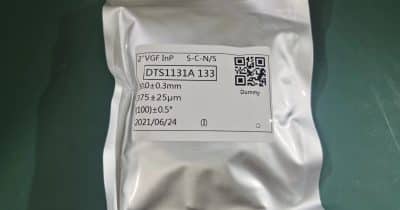
China's export restrictions on indium phosphide, a critical semiconductor material for AI chip production, threaten to disrupt global AI development timelines. The move is forcing international companies to diversify supply chains and increase production outside China to mitigate geopolitical risk.
China's tightening control over indium phosphide exports represents a strategic weaponization of critical semiconductor supply chains. Indium phosphide is essential for manufacturing high-performance chips used in AI applications, data centers, and telecommunications infrastructure. By restricting exports, China leverages its dominant position in rare material processing to influence global technology development priorities and maintain competitive advantage in AI rollout capabilities.
This export control fits a broader pattern of geopolitical tension over semiconductor sovereignty. Following similar restrictions on gallium and germanium in 2023, China continues consolidating control over materials integral to next-generation computing. The move reflects escalating U.S.-China tech competition and mirrors Western efforts to restrict China's access to advanced chip manufacturing equipment.
Market participants face immediate supply chain pressures. Technology companies reliant on China-sourced indium phosphide must either secure strategic stockpiles, develop alternative materials, or shift production to allied nations. This creates both costs and opportunities—companies investing in domestic semiconductor ecosystems gain competitive positioning, while those dependent on Chinese supplies face production delays and increased expenses. Semiconductor equipment manufacturers and materials suppliers outside China stand to benefit from increased demand diversification.
Looking forward, the semiconductor industry will likely accelerate regionalization efforts through government incentives like the U.S. CHIPS Act and similar initiatives. Expect increased investment in indium phosphide production capacity in allied nations and accelerated research into alternative materials for AI applications. The restriction underscores how geopolitics increasingly shape technology development velocity and investment allocation.
- →Indium phosphide export restrictions create supply chain vulnerabilities for AI chip manufacturers globally.
- →Companies must diversify sourcing strategies or face production delays and cost increases.
- →Semiconductor production outside China will receive increased investment and government support.
- →Alternative materials research and domestic supply capacity become competitive advantages.
- →Geopolitical fragmentation of semiconductor markets will accelerate regionalization trends.