
Chinese banks raise dollar deposit rates to counter yuan strength
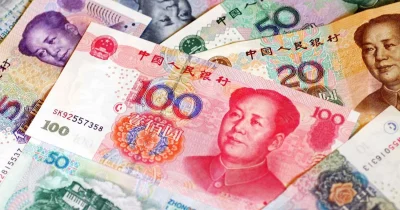
Chinese banks have increased dollar deposit rates to combat yuan appreciation, a monetary policy shift with potential implications for global liquidity dynamics and cryptocurrency markets. This move could reduce crypto's appeal as an alternative hedge against currency fluctuations, signaling changing macroeconomic conditions in major Asian markets.
Chinese banks' decision to raise dollar deposit rates represents a strategic response to sustained yuan strength, reflecting underlying economic pressures and capital flow management concerns. By offering more attractive dollar returns, banks aim to incentivize domestic savers to hold foreign currency deposits rather than converting them to yuan, thereby moderating appreciation pressures on China's currency. This tactic addresses competitiveness concerns as a strong yuan can hurt export-oriented industries while simultaneously managing foreign exchange reserves.
The broader context involves China's ongoing efforts to stabilize its currency amid global monetary policy divergence and geopolitical tensions. For years, cryptocurrencies have partially filled a role as alternative stores of value and hedges against currency devaluation in markets with capital controls. As traditional financial instruments become more attractive through higher yields, demand for crypto as a macro hedge diminishes. This reflects a normalization of conventional finance rather than fundamental weakness in crypto markets.
For investors and traders, the impact operates on multiple levels. Reduced hedging demand from Chinese retail and institutional players could decrease cryptocurrency liquidity in yuan-denominated pairs and dampen trading volumes. However, this adjustment primarily affects macro narratives around crypto's role as a currency alternative rather than its utility in decentralized finance or technological innovation. Global cryptocurrency markets may experience modest downward pressure if Chinese capital flows shift toward dollar deposits.
Monitoring further Chinese monetary policy decisions and yuan volatility metrics will be essential for understanding sustained demand patterns. If this rate adjustment successfully stabilizes the yuan, it could signal extended periods where crypto demand weakens among Asia-Pacific investors seeking currency hedges.
- →Chinese banks raising dollar deposit rates aims to counter yuan appreciation and manage capital flows domestically
- →Higher foreign currency yields reduce cryptocurrency's appeal as an alternative hedge against currency devaluation
- →The policy shift reflects normalization of traditional finance rather than fundamental crypto market weakness
- →Chinese liquidity and trading volumes in crypto markets may experience modest pressure from this monetary adjustment
- →Investors should monitor yuan stability metrics and Chinese monetary policy for signals of sustained hedging demand changes