
Chinese aircraft carrier Liaoning transits Taiwan Strait, no invasion signs
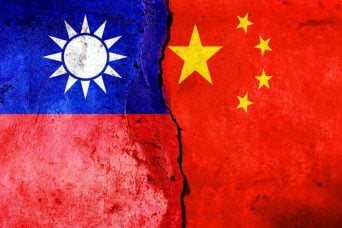
China's aircraft carrier Liaoning conducted a routine transit through the Taiwan Strait, with analysts characterizing the movement as standard military posturing rather than a precursor to invasion. The transit reflects stable geopolitical dynamics and reduces immediate military escalation concerns in the region.
The Liaoning's passage through the Taiwan Strait represents a routine operational activity within China's broader military strategy in the region. While such transits have historically drawn international attention and heightened tensions, this particular movement demonstrates measured military positioning rather than aggressive escalation. The characterization as routine posturing suggests regional stakeholders and military observers assess the action within normalized parameters of geopolitical competition.
China has conducted numerous carrier transits through the strait over recent years as part of its naval modernization and power projection capabilities. These operations serve multiple purposes: demonstrating military readiness, asserting sovereignty claims, and conducting standard naval operations. The Taiwan Strait remains one of the world's most sensitive geopolitical flashpoints, yet this transit's designation as non-threatening indicates that current military posturing remains within established boundaries of acceptable behavior between major powers.
For cryptocurrency and financial markets, geopolitical stability in Asia-Pacific regions carries indirect but meaningful implications. Escalated military tensions typically trigger risk-off sentiment, potentially reducing appetite for higher-volatility assets like cryptocurrencies. Conversely, signals of stability support risk-on environments. This transit's characterization as routine reduces uncertainty premiums that military confrontation fears would introduce into markets.
Monitoring future carrier movements and official rhetoric from regional powers remains important for assessing whether posturing escalates or maintains current equilibrium. Any shift toward more aggressive language or unprecedented military maneuvers would warrant reassessment of geopolitical risk factors affecting global markets.
- →The Liaoning's Taiwan Strait transit is characterized as routine military posturing with no immediate invasion indicators.
- →Stable geopolitical dynamics in the region reduce near-term military escalation risks.
- →Such transits are standard operational activities reflecting China's naval strategy rather than escalation signals.
- →Risk-off sentiment reduction supports more favorable conditions for risk assets in global markets.
- →Continued monitoring of regional military movements and official communications remains essential for market assessment.