
Circle CEO Allaire defends decision not to freeze USDC in Drift exploit, citing ‘moral quandary’
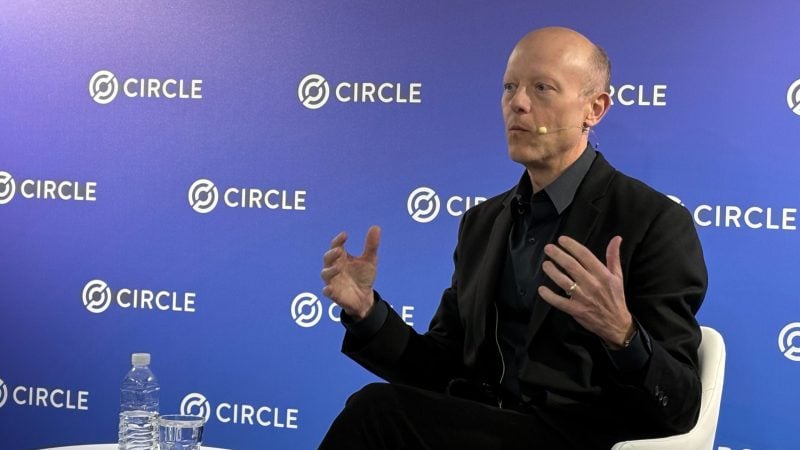
Circle CEO Jeremy Allaire defended the company's decision not to freeze USDC tokens involved in the Drift Protocol exploit, stating that Circle has a clear legal obligation to operate within the law rather than make discretionary asset freezes. The stance highlights tensions between stablecoin issuers' technical capabilities and their regulatory and ethical constraints.
Circle's refusal to freeze exploited USDC funds represents a critical moment in defining the boundaries of stablecoin issuer responsibility. When the Drift Protocol suffered an exploit, observers questioned whether Circle should unilaterally freeze the stolen assets—a power the company technically possesses through its smart contract controls. Allaire's response emphasizes that Circle views itself as operating under legal frameworks that distinguish between technical capability and legitimate authority to seize assets.
This decision reflects broader regulatory philosophy shaping stablecoin governance. Unlike centralized payment systems where companies routinely freeze accounts based on suspicion or complaint, stablecoin issuers increasingly recognize that indiscriminate freezing could undermine trust in their products as neutral monetary infrastructure. The legal distinction matters: Circle operates under banking and money transmission regulations that require due process, not arbitrary asset seizure. Previous precedents, including USDC freezing tied to sanctioned addresses, show Circle does freeze assets—but only when presented with legal authority or clear regulatory mandates.
The market impact of this stance cuts both ways. For DeFi developers and users, it suggests USDC won't serve as a tool for arbitrary dispute resolution, which could increase confidence in the asset's neutrality. However, it also means victims of exploits cannot rely on stablecoin issuers as a backup security layer, placing greater responsibility on protocol developers to implement adequate safeguards. This creates friction between different participants seeking protection through different mechanisms.
Looking ahead, the crypto industry will likely see continued pressure on stablecoin issuers regarding freeze authority. Regulatory frameworks will eventually clarify what obligations exist around compromised assets, potentially establishing clearer standards for when freezing is legally required versus discretionary.
- →Circle CEO argues stablecoin issuers must operate within legal frameworks rather than making discretionary freeze decisions based on technical capability
- →The refusal to freeze exploited USDC funds emphasizes distinguishing between legitimate regulatory authority and arbitrary asset seizure
- →Stablecoin neutrality increases if issuers don't become de facto arbiters of transaction disputes, benefiting long-term adoption
- →Protocol developers and users must rely on technical security measures rather than stablecoin issuer intervention for exploit recovery
- →Regulatory clarity on stablecoin issuer obligations around compromised assets remains an unresolved policy question