
Colombia’s internal conflict shapes presidential election as violence surges
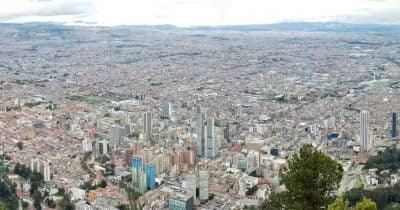
Colombia's upcoming presidential election is being shaped by the nation's internal conflict and rising violence, with the outcome potentially redefining the country's peace strategy and affecting regional stability, economic conditions, and foreign investment prospects.
Colombia faces a critical political juncture where domestic security challenges directly influence electoral dynamics and future governance priorities. The surge in violence underscores the fragility of existing peace agreements and highlights voters' concerns about stability, which will likely determine policy direction for the incoming administration. This intersection of security and politics reflects broader patterns in Latin America where internal conflicts constrain institutional development and economic growth.
The peace process in Colombia has faced persistent implementation challenges since the 2016 agreement with the FARC. Renewed violence suggests that underlying grievances—drug trafficking, territorial control, and socioeconomic inequality—remain unresolved despite formal negotiations. The presidential election outcome will signal whether the electorate prioritizes continuing diplomatic engagement, military escalation, or alternative approaches to addressing root causes of conflict.
For investors and markets, political instability directly impacts asset valuations, currency stability, and capital flows. A government committed to strengthened security and institutional reform could attract foreign investment and stabilize the Colombian peso, while intensified conflict creates volatility and capital flight. The cryptocurrency and broader investment communities monitor such geopolitical developments as indicators of macroeconomic direction and risk appetite in emerging markets.
Observers should track the elected candidate's stated security policies, international relations stance, and commitment to institutional reform. The next administration's approach to addressing drug trafficking organizations, illegal armed groups, and regional cooperation with neighboring countries will determine whether violence trends reverse or accelerate, ultimately shaping investment climate and economic prospects for years ahead.
- →Colombia's presidential election occurs amid a significant surge in internal violence and conflict escalation.
- →The election outcome will redefine the nation's peace strategy and approach to resolving long-standing security challenges.
- →Political instability directly affects investment prospects, currency stability, and capital flows in emerging markets.
- →Unresolved grievances around drug trafficking and territorial control persist despite the 2016 peace agreement.
- →Investors should monitor the elected candidate's security policies and institutional reform commitments as indicators of economic direction.