
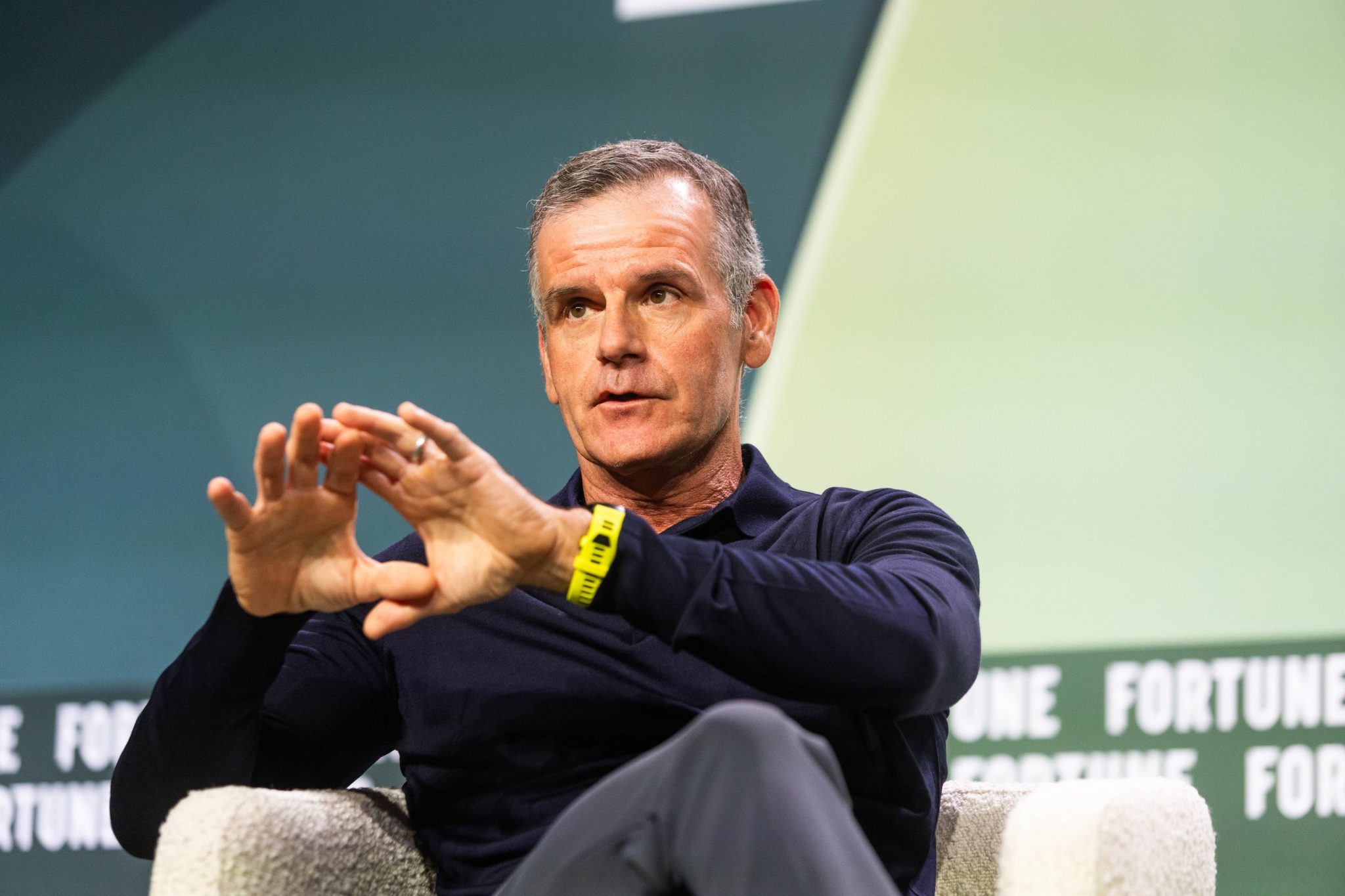
A group of COOs were asked whether they aspired to become CEO, and their hesitant responses revealed significant insights about executive ambitions and organizational dynamics. The reluctance suggests that the CEO role may carry unexpected challenges or that operational leaders have different career priorities than traditionally assumed.
The hesitation displayed by multiple COOs when presented with the CEO opportunity signals a meaningful shift in how senior executives view career progression. Rather than treating the CEO position as the automatic pinnacle of ambition, these operational leaders' reluctance indicates they may value stability, domain expertise, and operational influence over the increased scrutiny and political complexity that comes with the top role. This challenges conventional wisdom about executive hierarchies and suggests that organizations cannot assume their next-in-line leaders will eagerly accept promotion.
Historically, the COO position has been viewed as the natural springboard to the CEO seat, a transitional role for executives honing their general leadership skills. The hesitation captured in this event suggests this pipeline assumption may no longer hold. COOs often have deep expertise in execution, process optimization, and operational efficiency—domains where they have proven track records and can deliver measurable impact. The CEO role, by contrast, demands external-facing narrative control, board management, investor relations, and strategic vision articulation, which may feel like stepping into unfamiliar territory.
For organizations and boards, this dynamic has immediate implications. Companies cannot assume their operational bench is eager to fill the top seat, forcing them to either invest heavily in CEO transition programs or look externally for leadership. This could increase executive search costs and introduce external risks. For investors and stakeholders, understanding executive motivation becomes critical—a reluctant CEO promoted internally may underperform compared to an externally recruited executive with genuine ambition for the role.
- →COOs showed unexpected reluctance toward promotion to CEO, challenging assumptions about executive career ambitions
- →Operational leaders may value deep expertise and execution impact over the visibility and complexity of the CEO role
- →Organizations cannot assume their next-in-line successors will eagerly accept top leadership positions
- →The traditional COO-to-CEO pipeline may be weakening as executives pursue alternative career trajectories
- →This dynamic has cost implications for succession planning and executive recruitment strategies