
Copper rebounds as Trump claims US nearing end of Iran war
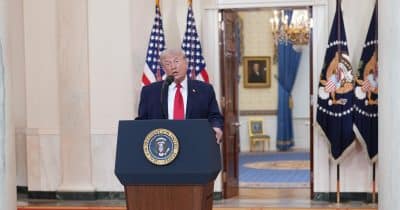
Copper prices rebounded following Trump's statement that the US is nearing the end of conflict with Iran, demonstrating how geopolitical tensions directly influence commodity markets. The claim suggests potential de-escalation of Middle East tensions, which typically reduces risk premiums across global asset classes including metals and cryptocurrencies.
Trump's assertion that the United States approaches resolution in its Iran conflict signals a potential shift in geopolitical risk perception. Copper's immediate rebound reflects the metal's role as a barometer for global economic stability and investor risk appetite. When geopolitical tensions ease, commodities like copper typically strengthen as markets price in reduced supply chain disruptions and lower inflation expectations from energy shocks.
Historically, US-Iran tensions have created volatility across commodity and financial markets. Each escalation triggers flight-to-safety moves, strengthening traditional hedges like gold while pressuring growth-sensitive assets. The copper market's sensitivity to these narratives underscores how physical commodity prices remain tethered to macroeconomic conditions shaped by political stability. This relationship extends into cryptocurrency markets, where geopolitical uncertainty often drives demand for decentralized assets perceived as government-resistant alternatives.
For investors and market participants, de-escalation rhetoric typically supports risk-on sentiment across multiple asset classes. Lower geopolitical risk premiums can reduce energy costs, benefiting global supply chains and potentially easing inflation pressures. However, the cryptocurrency market's response depends on whether reduced geopolitical tension translates to broader monetary policy accommodation or tightening cycles.
Market observers should monitor whether Trump's statement reflects genuine diplomatic progress or represents positioning rhetoric. Follow-up policy actions, Iranian government responses, and energy price movements will confirm whether de-escalation narratives sustain. Any sudden reversal in rhetoric could trigger sharp reversals across commodities and risk assets, including digital currencies sensitive to macroeconomic conditions.
- →Copper rebounded on geopolitical de-escalation expectations following Trump's Iran conflict statements
- →Commodity price movements directly reflect investor risk sentiment tied to political stability
- →Reduced geopolitical tensions typically support risk-on markets across commodities and cryptocurrencies
- →Energy price stability from de-escalation could ease inflation pressures affecting monetary policy
- →Monitor follow-up diplomatic actions to confirm whether de-escalation narratives sustain market momentum