
Crypto execs ramp up security as wrench attacks increase
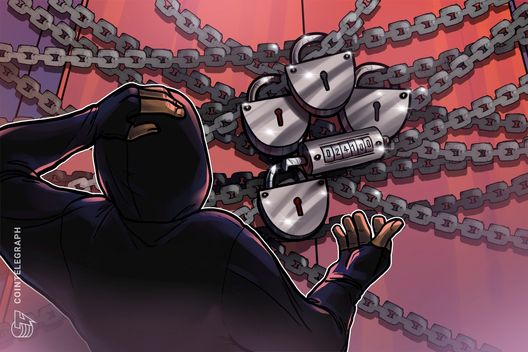
Cryptocurrency executives attending Paris Blockchain Week are prioritizing personal security measures as kidnapping and ransom attempts targeting crypto industry leaders surge. The escalating threat of physical violence represents a significant shift in security concerns for the industry, extending beyond cybersecurity to personal safety.
The convergence of high-profile crypto executives at Paris Blockchain Week underscores a growing vulnerability within the industry. As digital assets have matured and wealth concentration among crypto leaders has intensified, criminals have adapted their tactics from purely digital attacks to physical intimidation. Wrench attacks—where criminals use physical threats or violence to coerce victims into surrendering cryptocurrency or access credentials—represent an evolution in criminal methodology targeting the sector's most visible figures.
This trend reflects broader patterns observed across high-net-worth communities, but cryptocurrency's unique characteristics amplify the risk. Unlike traditional wealth, crypto assets can be moved instantaneously and irreversibly, making victims particularly susceptible to coercion. The pseudonymous nature of blockchain transactions also complicates law enforcement response. Recent kidnapping attempts and ransom demands against prominent crypto figures have forced executives to treat personal security with the same rigor previously reserved for cybersecurity protocols.
The industry's heightened security posture at major conferences signals that crypto leaders recognize physical threats as material business risks. This development has cascading implications for the sector's institutional adoption and reputation. Legitimate enterprises operating in regulated environments face reputational challenges when executives become targets of criminal activity, potentially influencing investor confidence and regulatory perception.
Moving forward, the crypto industry will likely witness expanded security spending, adoption of privacy measures for executives, and increased collaboration with law enforcement. The normalization of these precautions may inadvertently reinforce negative perceptions of cryptocurrency as a space associated with criminality, even as legitimate industry participants invest heavily in security infrastructure.
- →Wrench attacks targeting crypto executives have increased significantly, forcing industry leaders to implement comprehensive personal security protocols
- →Cryptocurrency's instant and irreversible transfer mechanisms make victims especially vulnerable to physical coercion compared to traditional assets
- →Paris Blockchain Week attendance highlights the physical security risks becoming unavoidable considerations for prominent crypto figures
- →Enhanced security spending and privacy measures may become standard practice for cryptocurrency executives and their families
- →The visibility of security concerns could influence institutional investor confidence and regulatory perception of the cryptocurrency industry