
Cultural Landscape Foundation sues over Trump’s Reflecting Pool renovations
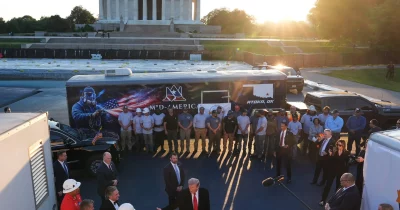
The Cultural Landscape Foundation has filed a lawsuit challenging Trump's Reflecting Pool renovation project, citing concerns about transparency and compliance with federal preservation laws. The case highlights broader issues in how government manages major infrastructure projects and enforces heritage protection regulations.
The lawsuit against the Reflecting Pool renovations represents a clash between executive decision-making and institutional oversight mechanisms designed to protect national resources. Federal projects involving historic sites operate under multiple legal frameworks, including the National Historic Preservation Act, which requires public input and environmental review. The Cultural Landscape Foundation's legal action suggests these procedural requirements may not have been fully satisfied, raising questions about whether stakeholders had adequate opportunity to review and comment on the renovation scope and methodology.
This case reflects broader tensions in American governance around heritage preservation versus modernization priorities. Historic site management often pits practical needs—maintenance, accessibility, climate resilience—against conservation principles. The lawsuit's emphasis on transparency and adherence to preservation laws indicates concerns that expert voices and public interest considerations were sidelined in favor of expedited project completion.
For federal contractors, architects, and project managers, this dispute underscores the legal and reputational risks of insufficient stakeholder engagement on high-visibility projects. Lawsuits over federal undertakings can delay work months or years, increase costs substantially, and generate negative publicity that affects future contracts. The outcome may establish precedent for how strictly preservation laws apply to executive-initiated renovations.
Observers should monitor whether courts impose injunctions halting work, require additional environmental assessments, or mandate community consultation processes. The decision will signal how aggressively judicial oversight constrains executive discretion on federal properties and whether preservation advocates retain meaningful legal leverage in infrastructure disputes.
- →Federal preservation laws require transparency and public input on historic site renovations, which the lawsuit alleges were not followed.
- →The case demonstrates tension between modernization priorities and heritage conservation requirements in government project management.
- →Legal challenges to federal projects can cause substantial delays and cost increases, affecting contractor timelines and budgets.
- →The lawsuit's outcome may set precedent for how strictly preservation laws apply to executive-initiated infrastructure work.
- →Project managers undertaking federal renovations face significant reputational and legal risks without robust stakeholder engagement.