
Custodia Bank seeks Supreme Court review of Federal Reserve’s master account denial
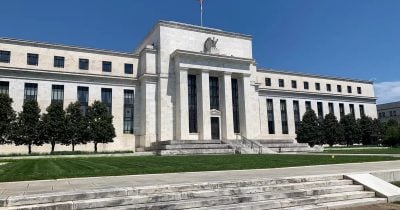
Custodia Bank has petitioned the Supreme Court to review the Federal Reserve's denial of its master account application, a decision that could reshape how cryptocurrency banks access the US financial system. The outcome may establish critical precedent for crypto sector integration into traditional banking infrastructure and influence future regulatory approaches.
Custodia Bank's Supreme Court petition represents a pivotal moment for cryptocurrency banking legitimacy in the United States. The Federal Reserve's initial master account denial reflected institutional hesitation about crypto banking risks, but the appeal signals that industry players believe the central bank's reasoning was arbitrary or procedurally flawed. A master account provides direct access to Federal Reserve payment systems, settlement infrastructure, and liquidity facilities—critical advantages for any bank seeking to operate efficiently within the traditional financial ecosystem.
The broader context involves years of tension between crypto advocates and banking regulators over whether cryptocurrency poses systemic risk or represents legitimate innovation. Custodia's case specifically tests whether the Fed can indefinitely exclude crypto-focused institutions based on philosophical concerns versus demonstrated operational failures. Previous regulatory setbacks for crypto banks, including Silvergate and Signature Bank closures, complicated this narrative despite those institutions' involvement in broader macroeconomic pressures.
A Supreme Court ruling favoring Custodia would likely force the Fed to apply more objective, quantifiable criteria for master account eligibility, potentially opening pathways for other crypto-native banks. Conversely, a ruling upholding the Fed's discretion maintains the status quo and reinforces banking regulators' gatekeeping authority over cryptocurrency sector integration. The market implications are substantial: crypto banks operating without master accounts face higher operational costs, reduced competitiveness, and constrained growth trajectories.
Investors should monitor oral arguments and decision timelines closely. The Supreme Court's stance on this issue will influence whether cryptocurrency banking becomes a genuinely integrated component of US finance or remains structurally segregated. This case shapes not just individual institutions but the entire regulatory philosophy governing crypto-traditional finance convergence.
- →Custodia's Supreme Court petition challenges the Federal Reserve's authority to deny master accounts to crypto banks without objective performance-based standards.
- →A favorable ruling could force regulators to apply transparent criteria for crypto bank access to Fed systems, reducing discretionary gatekeeping.
- →The Fed's denial reflects broader institutional resistance to cryptocurrency sector integration despite lack of demonstrated systemic risk from compliant institutions.
- →Master account access directly impacts operational efficiency, funding costs, and competitive positioning for crypto-focused banking institutions.
- →The Supreme Court's decision will establish precedent affecting all future crypto bank applications and regulatory approaches to digital asset finance.