
"We pissed off a lot of people": Giant data center plan cut 50% amid protests
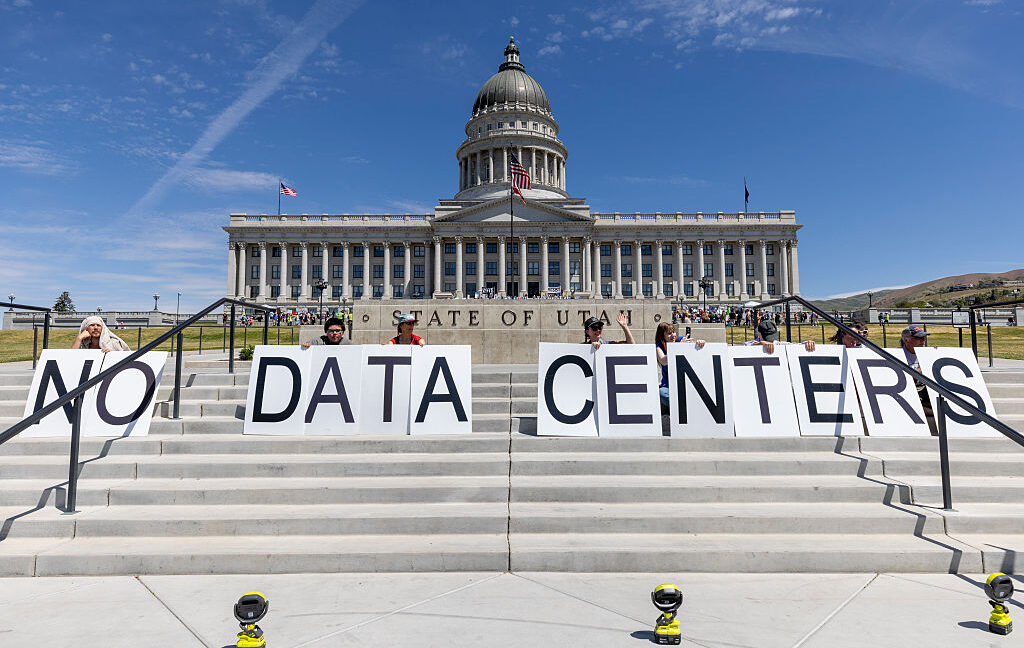
A major data center development project has been reduced by 50% following significant community opposition and protests. The developer, facing substantial pressure and describing themselves as "beaten up" by resistance, determined that scaling back was necessary to move forward with construction.
Community opposition to large-scale infrastructure projects remains a potent force capable of reshaping developer plans and timelines. This data center reduction exemplifies how local resistance—whether rooted in environmental concerns, property impacts, or resource competition—can force significant compromises before projects even begin construction. The developer's characterization of feeling "beaten up" suggests the protest campaign was both organized and emotionally taxing, demonstrating that modern infrastructure faces heightened scrutiny from residents increasingly aware of externalities like energy consumption and land use.
Data centers have become flash points in the AI and crypto infrastructure debate, particularly as computational demands explode. Communities worry about water usage, power grid strain, noise, and land preservation. The timing is critical: as AI infrastructure races forward and crypto networks expand, data center capacity becomes fundamental to growth. Developers face a difficult calculus between aggressive buildouts and community relations.
This outcome directly impacts industry expansion timelines. A 50% reduction means half the planned computational capacity will be delayed or never built at this location, potentially pushing demand elsewhere or slowing service deployments. For crypto and AI companies relying on distributed infrastructure, project delays translate to capacity constraints, higher hosting costs, and competitive disadvantages against firms with secured data center space.
Looking ahead, developers will likely adopt more community-forward approaches earlier in planning phases, potentially accelerating alternative solutions like modular data centers or remote locations with fewer neighbors. This incident signals that large-scale infrastructure projects now require sophisticated community engagement strategies alongside engineering excellence.
- →A major data center project was cut 50% due to community protests and developer pressure.
- →Data center opposition reflects broader tensions between AI/crypto infrastructure growth and environmental/community concerns.
- →Infrastructure delays can constrain capacity for AI and crypto companies dependent on distributed computing.
- →Developers increasingly face the necessity of community engagement as a critical project planning phase.
- →Alternative data center models and remote locations may see accelerated adoption to avoid local resistance.