
How some data center operators are tackling their water use problems
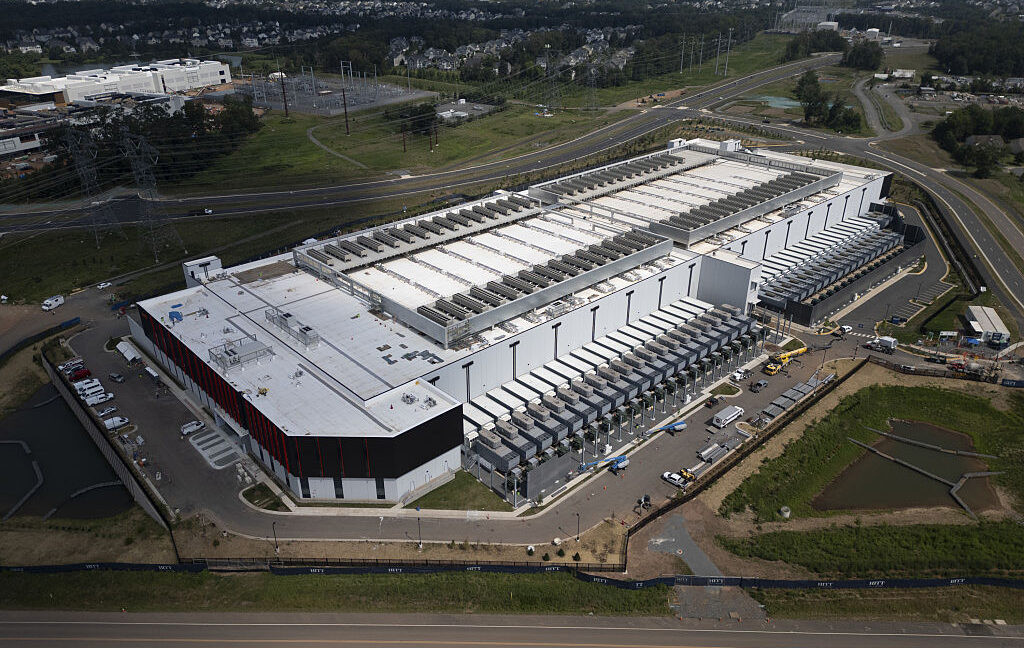
Data center operators, particularly hyperscalers supporting AI and cloud infrastructure, face mounting pressure over water consumption and environmental impact. Companies are implementing various mitigation strategies including water recycling systems, location diversification, and efficiency improvements to address regulatory scrutiny and sustainability concerns.
The water consumption crisis at hyperscale data centers represents a critical infrastructure challenge emerging from the explosive growth of AI and cloud computing. As data centers require massive quantities of water for cooling systems, operators face increasing regulatory pressure, local community opposition, and environmental accountability demands. This issue directly impacts the sustainability narrative surrounding AI and crypto infrastructure, which have already faced criticism for energy consumption.
The problem stems from the geographic concentration of data centers in water-stressed regions and the inability of cooling systems to operate efficiently without substantial water intake. Hyperscalers like Meta, Google, and Microsoft have historically prioritized expansion speed over environmental stewardship, creating conflicts with local water authorities and agricultural communities competing for limited resources. The semiconductor industry's continued growth amplifies this challenge, as every new AI training facility exacerbates regional water depletion.
Operators adopting water recycling technologies, dry cooling systems, and strategic geographic diversification signal a market shift toward sustainable infrastructure investment. This transition requires substantial capital expenditure, potentially increasing operational costs and influencing data center pricing structures. For crypto mining and AI service providers, water-efficient facilities may command premium valuations as institutional investors increasingly screen for environmental, social, and governance compliance.
Looking forward, regulatory frameworks will likely mandate water efficiency standards, forcing legacy data center operators to either upgrade infrastructure or relocate. Companies innovating in water-neutral cooling technologies and those securing operations in water-abundant regions will gain competitive advantages. This trend accelerates the infrastructure decentralization necessary for both cryptocurrency networks and AI deployment.
- →Hyperscalers face escalating regulatory and community pressure over water consumption in cooling systems
- →Water recycling and dry cooling technologies are becoming competitive differentiators in data center operations
- →Geographic diversification away from water-stressed regions will reshape infrastructure investment patterns
- →Operational cost increases from efficiency upgrades may influence pricing for AI and cloud services
- →Long-term sustainability mandates will force legacy operators to either upgrade or relocate facilities