
Hegseth unveils $1.5T defense plan amid Iran nuclear tensions
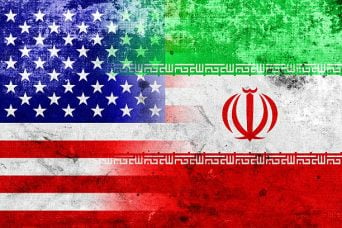
The U.S. Defense Department has announced a $1.5 trillion defense plan amid escalating Iran nuclear tensions, signaling a strategic military reorientation that could intensify geopolitical volatility. This substantial spending increase reflects broader concerns about regional security and may influence global markets through defense sector investment and macroeconomic policy shifts.
The $1.5 trillion defense plan represents a significant escalation in U.S. military spending at a critical moment in Middle East tensions. This announcement occurs against the backdrop of deteriorating Iran nuclear diplomacy and regional proxy conflicts, suggesting the U.S. is preparing for prolonged strategic competition rather than near-term resolution of outstanding disputes. The scale of spending signals policymakers view current threats as material and enduring.
Historically, major defense spending increases follow periods of geopolitical tension or perceived adversarial advancement. The Iran nuclear question has remained unresolved since the 2015 JCPOA withdrawal, with recent escalations in uranium enrichment and regional military activities intensifying security concerns. This plan likely reflects frustration with diplomatic channels and a pivot toward military deterrence as primary strategy.
For cryptocurrency and broader financial markets, large defense expenditures typically create mixed signals. While defense contractors and traditional aerospace stocks benefit, massive government spending increases inflation concerns and can elevate long-term interest rate expectations, potentially pressuring risk assets including crypto. The geopolitical uncertainty itself tends to drive safe-haven demand, sometimes benefiting Bitcoin as a non-correlated asset.
Investors should monitor whether this spending materializes through actual budget allocations and debt issuance, as fiscal expansion of this magnitude affects monetary policy and inflation trajectories. The timing coincides with broader macro uncertainty, making geopolitical risk a material factor in asset allocation decisions going forward.
- →$1.5T defense plan signals sustained U.S. military focus on Iran and regional security threats
- →Large defense spending increases can elevate inflation concerns and affect cryptocurrency valuations
- →Geopolitical volatility may drive investors toward alternative assets like Bitcoin
- →Plan reflects shift from diplomatic engagement toward military deterrence strategy
- →Implementation timeline and actual budget passage remain key variables to watch