
US Department of Justice seizes supertanker M/T Davina for transporting sanctioned Iranian oil
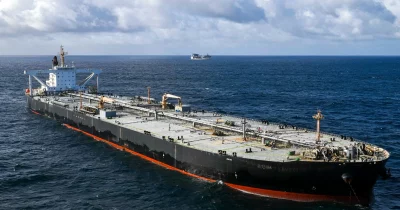
The US Department of Justice seized the supertanker M/T Davina for transporting sanctioned Iranian oil, reflecting Washington's intensified enforcement against Iran's petroleum exports. The action signals escalating geopolitical tensions and could influence global oil supply dynamics and market pricing.
The seizure of M/T Davina represents a tactical escalation in US sanctions enforcement against Iran's oil sector. Rather than targeting Iranian entities directly, the DOJ is intercepting vessels in international waters, effectively disrupting Iran's ability to monetize crude exports regardless of buyer intent. This enforcement strategy targets the physical infrastructure of oil transport rather than financial channels, making evasion more difficult for Iran and its trading partners.
US-Iran sanctions have evolved significantly since 2018 when the Trump administration withdrew from the JCPOA nuclear agreement. The Biden administration maintained these economic pressures despite diplomatic overtures, using vessel seizures and secondary sanctions against foreign shipping companies as primary enforcement tools. These actions reflect broader US policy objectives to constrain Iran's revenue and reduce its geopolitical influence in the Middle East.
The seizure creates ripple effects across global oil markets. International shipping operators face heightened compliance risks, potentially increasing insurance costs and reducing the number of vessels willing to transport Iranian crude. This structural constraint on supply can support crude prices, benefiting oil-producing nations and energy-linked assets. However, the announcement may also trigger volatility as markets assess supply disruption risks and geopolitical stability concerns.
Looking forward, watch for responses from Iran and its allies, potential retaliatory measures in the shipping sector, and whether other nations challenge US enforcement jurisdiction. The incident may accelerate discussions about alternative payment mechanisms outside US-dollar systems, including blockchain-based settlement options for sanctioned trade flows.
- →DOJ seizure of M/T Davina demonstrates aggressive US enforcement against Iranian oil transport infrastructure
- →Secondary sanctions strategy targets shipping operators and increases compliance risks across maritime commerce
- →Supply constraints from enforcement actions could support crude oil pricing in global markets
- →The incident may incentivize alternative settlement systems to circumvent US-dollar dominated payment networks
- →Geopolitical escalation creates volatility for energy markets and raises questions about international legal jurisdiction