
Dan Loeb Reveals DOJ Threat to Trump Over Ross Ulbricht Commutation in Final Hours of First Term
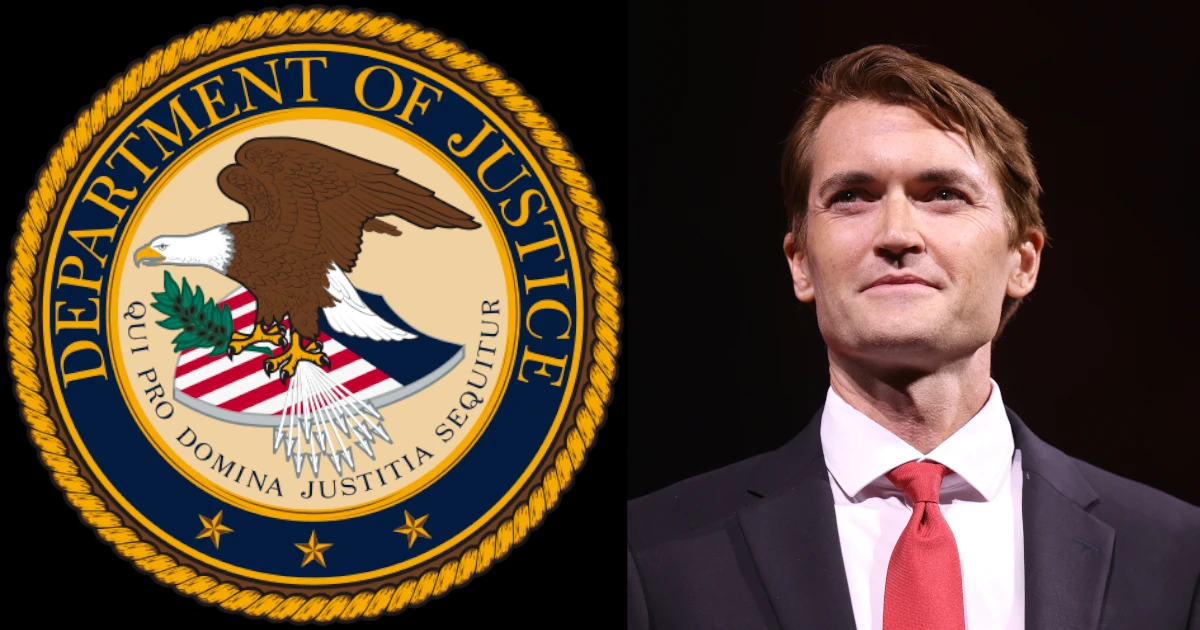
Hedge fund manager Dan Loeb disclosed that the DOJ threatened to pursue legal action against President Trump if he commuted Ross Ulbricht's sentence during his first term, forcing Trump to delay the Silk Road founder's release until issuing a full pardon in January 2025. The revelation highlights political pressure surrounding cryptocurrency-related criminal justice decisions.
The DOJ's alleged threat to prosecute Trump over a potential Ulbricht commutation reveals the institutional resistance to revisiting high-profile cryptocurrency cases within the federal government. Ulbricht, convicted for founding the Silk Road darknet marketplace, became a symbolic figure in cryptocurrency communities advocating for criminal justice reform. The timing of this disclosure—occurring after Trump's return to office in January 2025—suggests political leverage shifted in Ulbricht's favor once Trump's second term began, removing the DOJ's prosecutorial threat.
This episode reflects broader tensions between executive authority and institutional bureaucracy regarding cryptocurrency policy. The Ulbricht case has evolved from a straightforward drug trafficking prosecution into a test case for how administrations view cryptocurrency regulation and justice. Trump's eventual full pardon signals a significant ideological shift, positioning his administration differently from the previous two decades of federal cryptocurrency enforcement.
For the crypto industry, this development carries substantial implications. A full pardon of Ulbricht, rather than a commutation, represents stronger political acceptance of cryptocurrency principles by the executive branch. However, it also demonstrates that regulatory opposition remains embedded within career federal institutions, potentially creating friction points for future crypto-friendly policies.
Market participants should monitor whether this pardon influences sentencing patterns in other cryptocurrency cases or affects regulatory enforcement priorities. The conflict between executive intent and institutional resistance may continue shaping cryptocurrency policy for the remainder of Trump's term.
- →DOJ threatened Trump with prosecution to block a Ulbricht commutation, revealing institutional resistance to cryptocurrency case reconsideration
- →Trump ultimately issued a full pardon in January 2025 after his second term began, removing DOJ leverage
- →The case demonstrates tension between executive authority and career federal institutions on cryptocurrency policy
- →Ulbricht's pardon signals stronger crypto-friendly positioning within the Trump administration
- →Future cryptocurrency legal cases may face different enforcement priorities under Trump's administration