
Dollar falls against major peers on report of US-Iran ceasefire deal
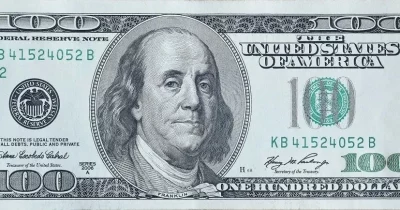
Reports of a US-Iran ceasefire deal triggered a decline in the US Dollar against major currency peers, reflecting investor risk-on sentiment as geopolitical tensions eased. The market reaction demonstrates how geopolitical developments significantly influence currency valuations and broader asset repricing across financial markets.
Geopolitical tensions represent a critical market factor that influences capital flows and risk sentiment globally. Reports of de-escalation between the US and Iran typically reduce demand for safe-haven assets, including the US Dollar, as investors shift toward riskier allocations. When geopolitical risks decline, the traditional safe-haven currency weakens as capital rotates into higher-yielding or growth-oriented assets.
The US-Iran relationship has been a persistent source of market volatility over the past several years, punctuated by sanctions, proxy conflicts, and intermittent diplomatic developments. Ceasefire announcements represent pivotal moments where markets reassess geopolitical risk premiums embedded in asset prices. A reduction in tensions signals lower probability of regional escalation that could disrupt oil supplies or trigger broader economic consequences.
For cryptocurrency markets specifically, geopolitical de-escalation often correlates with reduced demand for alternative stores of value and increased appetite for traditional risk assets. When safe-haven flows diminish, investors may reallocate from Bitcoin and other cryptocurrencies viewed as crisis hedges toward equities and higher-risk instruments. Currency weakness in the Dollar also affects crypto valuations denominated in USD, influencing trading dynamics across global exchanges.
Market participants should monitor whether this ceasefire holds or faces setbacks, as renewed tensions would likely reverse current currency trends and trigger defensive positioning. Ongoing diplomatic negotiations and regional developments warrant close attention from traders managing exposure to geopolitical risk factors.
- →US Dollar declined against major peers following reports of a US-Iran ceasefire agreement.
- →Geopolitical de-escalation typically reduces safe-haven asset demand, weakening traditional crisis currencies.
- →Cryptocurrency markets may experience outflows as risk-on sentiment increases with reduced geopolitical tensions.
- →Currency repricing reflects how quickly markets adjust valuations based on shifting geopolitical risk assessments.
- →Ongoing diplomatic developments and potential escalation risks remain critical monitoring factors for traders.