
ECB vice president flags energy shock risks in latest financial stability review
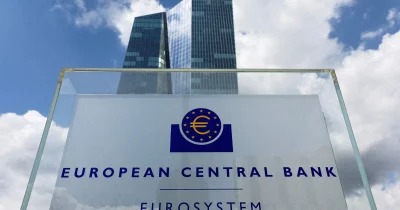
ECB Vice President Luis de Guindos highlighted energy supply shock risks in the Financial Stability Review, warning that weaker economic growth from energy disruptions could reduce investor risk appetite across markets including cryptocurrency. The warning signals potential headwinds for risk assets as macroeconomic conditions deteriorate.
Luis de Guindos's statement through the ECB's Financial Stability Review represents an official acknowledgment that energy supply vulnerabilities pose material threats to eurozone economic growth. This matters because central bank communications shape investor sentiment and policy expectations across all asset classes, including cryptocurrencies which are particularly sensitive to shifts in risk appetite.
Energy shocks have resurfaced as a policy concern following geopolitical tensions and supply chain disruptions that began in 2022. The eurozone faces particular vulnerability given its historical reliance on Russian energy and the ongoing transition to renewable sources. When growth prospects weaken, institutional and retail investors typically reduce exposure to speculative assets, which includes the crypto market.
For cryptocurrency markets, this statement carries significant implications. Risk appetite directly correlates with crypto valuations—during periods of economic uncertainty and slower growth expectations, investors migrate toward safe-haven assets like government bonds and away from volatile alternatives. Energy shocks that reduce GDP growth forecasts typically compress valuations across risk assets simultaneously. The ECB's flagging of this risk suggests European policymakers see meaningful downside scenarios ahead.
Looking forward, market participants should monitor eurozone energy prices, economic data releases, and ECB policy communications for signals of deteriorating conditions. If energy shocks materialize and growth forecasts decline further, crypto markets could face sustained headwinds regardless of cryptocurrency-specific developments. The convergence of macroeconomic uncertainty with regulatory pressures creates a challenging environment for risk asset accumulation.
- →ECB Vice President warns that energy supply shocks could weaken eurozone growth and reduce investor risk appetite
- →Weakened growth forecasts typically trigger capital rotation away from volatile assets like cryptocurrency
- →Energy security remains a structural vulnerability for Europe amid geopolitical tensions and renewable transition
- →Cryptocurrency valuations are highly sensitive to shifts in broader risk appetite and macroeconomic conditions
- →Investors should monitor eurozone energy prices and growth data for signals of deteriorating economic conditions