
EU countries consider major overhaul of bloc’s diplomatic service
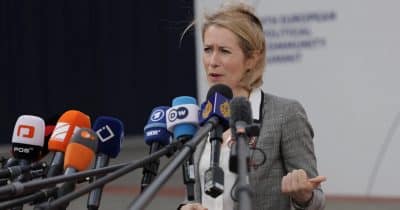
EU member states are deliberating reforms to the European External Action Service (EEAS), the bloc's diplomatic apparatus, with potential changes aimed at strengthening global influence, streamlining foreign policy coordination, and improving institutional responsiveness during international crises.
The EU's consideration of diplomatic service reforms reflects mounting pressure to enhance institutional effectiveness amid geopolitical fragmentation and competing global powers. European policymakers recognize that coordinated diplomatic strategy requires structural modernization, particularly as the bloc navigates complex relationships with the US, China, and regional tensions. The EEAS, established under the Lisbon Treaty, has faced criticism for bureaucratic inefficiency and inconsistent policy implementation across member states, creating gaps that rival powers exploit.
Historically, EU foreign policy has been constrained by the requirement for unanimous member-state consensus, diluting institutional leverage in bilateral negotiations. Recent crises—including Russian sanctions, Indo-Pacific tensions, and trade disputes—have exposed coordination weaknesses that undermine the bloc's stated strategic autonomy objectives. This overhaul signals European leadership's recognition that soft power requires modernized institutional architecture to compete effectively.
For cryptocurrency and blockchain markets, diplomatic infrastructure changes carry indirect but meaningful implications. Enhanced EU coordination could accelerate regulatory harmonization across member states, potentially creating more predictable frameworks for crypto businesses operating in the region. Conversely, stronger European diplomatic positioning might support protectionist tech policies that could fragment global crypto markets. Investors should monitor whether reforms produce clearer digital asset regulations or entrench fragmented approaches.
Looking ahead, the substance of proposed reforms matters more than their announcement. Concrete measures—increased EEAS funding, streamlined decision-making protocols, or enhanced digital diplomacy capabilities—would signal serious commitment. Market participants should track whether reformed diplomatic structures influence regulatory convergence on crypto, blockchain, and emerging technology governance across EU member states.
- →EU diplomatic service overhaul aims to strengthen global influence and improve crisis response coordination among member states.
- →Institutional reforms could accelerate regulatory harmonization affecting cryptocurrency and blockchain businesses operating in Europe.
- →Structural changes address longstanding challenges in achieving unified foreign policy across diverse EU member interests.
- →Enhanced diplomatic coordination may influence how EU shapes emerging technology governance and digital asset frameworks.
- →Implementation specifics and funding levels will determine whether reforms produce meaningful policy changes or incremental adjustments.