
EU to expand Iran sanctions targeting Strait of Hormuz blockers
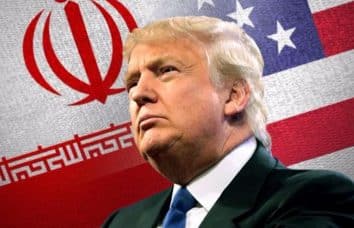
The European Union plans to expand sanctions against Iran, specifically targeting entities involved in blocking the Strait of Hormuz. These measures risk escalating US-Iran tensions and complicating peace negotiations while potentially disrupting global crude oil markets.
The EU's decision to expand sanctions against Iran represents a significant escalation in geopolitical tensions that ripples through global energy markets and crypto-adjacent macro conditions. By targeting actors blocking the Strait of Hormuz—a critical chokepoint controlling roughly 20% of global petroleum trade—the EU intensifies pressure on Iranian economic interests while signaling alignment with Western sanctions architecture.
This action reflects broader geopolitical fragmentation following years of failed nuclear diplomacy and Iranian provocation in regional waters. The original Joint Comprehensive Plan of Action (JCPOA) collapse under the Trump administration created a pattern of tit-for-tat sanctions that the Biden administration struggled to reverse. The EU's expansion suggests patience has worn thin, despite diplomatic channels remaining theoretically open.
Energy markets face direct implications: any actual Strait blockade would immediately spike crude prices, triggering broader inflationary pressure across economies. For cryptocurrency markets, oil shocks historically correlate with risk-off sentiment, potentially pressuring crypto valuations during flight-to-safety episodes. Additionally, expanded sanctions typically reduce Iranian financial system access to global markets, limiting crypto adoption opportunities in the region while potentially pushing underground economic activity into decentralized channels.
Investors should monitor whether these sanctions trigger military posturing near the Strait or retaliation against shipping. Crude price movements will likely precede broader crypto volatility. The diplomatic path remains uncertain—escalation could force renewed negotiations or harden Iranian resistance, both scenarios with distinct market consequences.
- →EU sanctions expansion targets Strait of Hormuz actors, risking disruption to 20% of global oil trade.
- →Escalation complicates existing US-Iran diplomatic efforts and weakens negotiation prospects.
- →Oil price spikes from geopolitical tension typically precede crypto market volatility and risk-off moves.
- →Expanded sanctions may push Iranian economic activity toward decentralized finance solutions.
- →Watch for shipping incidents or military escalation near the Strait as early warning signals.