
EU to expand naval mission after Iran reopens Strait of Hormuz
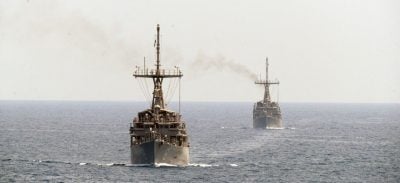
The EU is expanding its naval mission in response to Iran reopening the Strait of Hormuz, a critical chokepoint for global energy trade. This geopolitical development carries significant implications for oil markets, shipping security, and broader economic stability that indirectly affect cryptocurrency and digital asset valuations.
The EU's decision to expand naval operations in the Strait of Hormuz reflects escalating tensions in one of the world's most strategically vital waterways. Approximately 21% of global petroleum passes through this narrow channel, making any disruption to shipping lanes a matter of international concern. Iran's actions regarding the strait's control create uncertainty about energy supply chains and maritime commerce, factors that historically influence broader macroeconomic conditions.
This development emerges within a complex geopolitical landscape involving US-Iran relations, regional power dynamics, and competing interests over maritime freedom. The EU's naval expansion signals commitment to maintaining stable shipping routes and protecting European economic interests, though it also raises tensions that could escalate further. Previous incidents in the Strait have spooked energy markets and created volatility across risk assets.
For cryptocurrency markets, geopolitical instability typically correlates with capital flight toward perceived safe havens and alternative asset classes. Energy price volatility stemming from Strait tensions can ripple through global inflation expectations, affecting monetary policy outlooks and ultimately influencing risk appetite for digital assets. If oil prices spike due to shipping disruptions, central banks may adjust policy responses, creating secondary effects on crypto valuations through interest rate expectations and macroeconomic sentiment.
Market participants should monitor escalation indicators in the region, energy price movements, and official EU responses. Any actual disruption to shipping would likely trigger immediate commodity market reactions followed by broader financial market repercussions affecting crypto trading volumes and positioning.
- →EU naval expansion targets the Strait of Hormuz, a critical chokepoint handling 21% of global oil trade.
- →Iran's actions regarding the strait introduce supply chain uncertainty affecting energy markets and broader economic stability.
- →Geopolitical tensions in vital shipping lanes historically correlate with cryptocurrency volatility and risk asset repositioning.
- →Energy price spikes from supply disruptions can influence central bank policy responses and inflation expectations.
- →Market participants should track escalation signals and oil price movements for potential indirect crypto market impacts.