
EU considers temporary freeze on Russian oil price cap amid Iran war
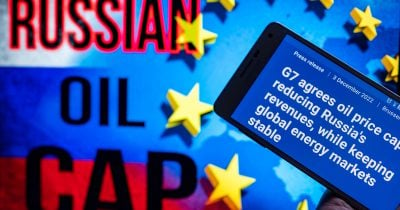
The EU is considering a temporary freeze on its Russian oil price cap in response to escalating Iran-related geopolitical tensions. This potential policy shift could significantly disrupt global energy markets and create conditions where cryptocurrencies gain traction as alternative settlement mechanisms for international trade.
The EU's contemplation of freezing the Russian oil price cap represents a significant escalation in energy policy tied to broader Middle East tensions involving Iran. This move, driven by geopolitical pressure rather than market fundamentals, signals how quickly energy sanctions regimes can shift when regional conflicts intensify. The price cap mechanism, implemented as part of Western sanctions against Russian oil exports, has provided some market stability by allowing limited Russian crude sales at artificially constrained prices. A temporary freeze would disrupt this balance, potentially tightening global oil supply and creating price volatility.
Historically, such energy disruptions have preceded surges in cryptocurrency adoption for cross-border transactions, particularly in sanctioned economies. When traditional financial channels face restrictions or uncertainty, decentralized settlement mechanisms become attractive alternatives. Russia and Iran have both explored cryptocurrency-based trade arrangements to circumvent sanctions, and expanded geopolitical friction accelerates these trends.
For energy markets, a price cap freeze could trigger oil price spikes affecting inflation and economic growth globally. This macroeconomic pressure typically benefits cryptocurrencies as investors seek hedges against currency devaluation and inflation. However, the immediate impact depends on whether the freeze is truly temporary or signals a broader sanctions escalation. Crypto traders should monitor how this develops, as sustained energy market disruption historically correlates with increased institutional crypto adoption as a settlement layer for international trade.
Key watch points include whether other EU members support the freeze, how quickly OPEC+ responds, and whether sanctioned nations accelerate crypto-based trade infrastructure.
- →EU price cap freeze on Russian oil could disrupt global energy markets and trigger inflation concerns
- →Energy market instability historically drives cryptocurrency adoption for cross-border settlements
- →Sanctioned nations like Russia and Iran leverage crypto to bypass traditional financial restrictions
- →Oil price volatility from geopolitical tension typically increases crypto's appeal as an inflation hedge
- →Investors should monitor policy developments for signals of sustained sanctions escalation versus temporary measures