
EU labels US unreliable amid auto tariffs, impacting Greenland acquisition odds
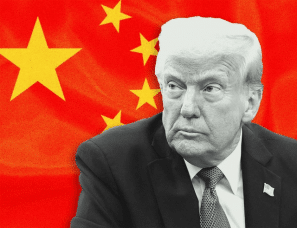
The EU has expressed concerns about US reliability following American auto tariffs, creating friction in transatlantic relations. This diplomatic tension could complicate broader geopolitical negotiations, including discussions surrounding potential US acquisition of Greenland, and may reshape trade dynamics between the bloc and Washington.
The EU's public criticism of US reliability reflects deepening transatlantic tensions rooted in trade policy divergence. The imposition of auto tariffs by the US administration signals a shift toward protectionist measures that directly challenge EU economic interests, particularly for European automakers dependent on American market access. This move represents a departure from post-war alliance predictability, forcing EU policymakers to reassess the strategic value of traditional partnerships.
These trade disputes occur within a broader context of shifting geopolitical priorities. The mention of Greenland acquisition signals US interest in Arctic resources and strategic positioning, likely driven by competition with China and Russia. The EU's skepticism about US reliability complicates this agenda because it weakens the unified Western position needed for coordinated Arctic policy and resource development.
For markets and investors, this deterioration in transatlantic relations introduces macroeconomic uncertainty. Trade tensions typically increase volatility across equity markets, particularly in automotive and industrial sectors with significant US-EU exposure. Currency markets may experience EUR/USD fluctuations as investors reassess risk premiums on European assets amid trade war concerns.
Looking forward, the trajectory depends on whether tariffs escalate or negotiations resume. A sustained trade conflict could prompt the EU to seek alternative partnerships or develop strategic autonomy in critical sectors like energy and technology. The Greenland question adds complexity, as EU interests in Arctic governance may conflict with unilateral US approaches, potentially fragmenting Western coordination on strategic resources.
- →EU questions US reliability following auto tariffs, signaling a crack in transatlantic partnership.
- →Trade tensions complicate US geopolitical objectives including potential Greenland acquisition.
- →Protectionist measures increase macroeconomic uncertainty affecting automotive and industrial sectors.
- →EU may pursue strategic autonomy or alternative partnerships if trade conflicts escalate.
- →Arctic resources and strategic positioning remain contested between US, EU, and rival powers.