
European Union sanctions Iranian entities over Strait of Hormuz disruptions, with crypto implications mounting
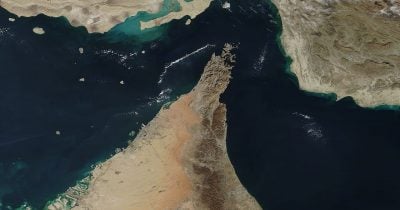
The European Union has imposed sanctions on Iranian entities in response to disruptions in the Strait of Hormuz, a critical maritime chokepoint for global oil trade. These geopolitical actions are expected to accelerate regulatory scrutiny of cryptocurrency, particularly regarding sanctions compliance and asset tracing, while simultaneously creating volatility in energy markets that could influence crypto valuations.
The EU's targeted sanctions against Iranian entities represent an escalation in geopolitical tensions centered on maritime security and energy supply chains. The Strait of Hormuz remains one of the world's most strategically important waterways, with approximately 20% of global petroleum passing through it daily. Disruptions or tensions in this region directly impact global oil prices and economic stability, creating cascading effects across financial markets including cryptocurrency.
Historically, sanctions regimes have driven regulatory innovation in the crypto sector as authorities seek to prevent sanctioned entities from accessing digital assets. This incident follows a broader pattern of governments using financial sanctions as a primary tool for geopolitical leverage, particularly targeting Iran's access to traditional banking infrastructure. The cryptocurrency market has emerged as an alternative channel for value transfer, prompting regulators to implement stricter Know-Your-Customer (KYC) and Anti-Money Laundering (AML) protocols.
For market participants, these sanctions create multiple pressure points. Energy price volatility resulting from Strait of Hormuz tensions typically correlates with macro risk-off sentiment, pushing investors toward defensive assets or stablecoins. Simultaneously, exchanges and custodians face heightened compliance costs to ensure Iranian entities cannot access their platforms, potentially reducing liquidity and increasing transaction fees across the sector. Blockchain analytics firms will likely see increased demand for sanctions-screening tools.
Investors should monitor potential secondary effects: heightened geopolitical risk premiums in commodity markets, regulatory announcements from OFAC and equivalent EU authorities, and exchange policy updates regarding Iran-linked wallet addresses. The intersection of geopolitical risk and cryptocurrency regulation remains fluid, with long-term implications for how digital assets integrate into international sanctions frameworks.
- →EU sanctions on Iranian entities intensify focus on cryptocurrency's role in circumventing financial restrictions
- →Strait of Hormuz tensions threaten oil supplies, potentially triggering risk-off sentiment and crypto market volatility
- →Exchanges and custodians face increased compliance obligations to screen for sanctioned entities
- →Blockchain analytics and sanctions-screening tools will see heightened adoption among regulated platforms
- →Geopolitical escalation reinforces regulatory pressure for stronger KYC/AML standards across cryptocurrency infrastructure