
European Commission plans tariffs on Chinese plug-in hybrids, closing a loophole automakers exploited for months
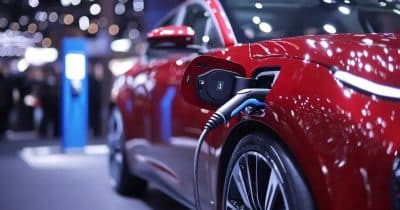
The European Commission is implementing tariffs on Chinese plug-in hybrid electric vehicles (PHEVs) to close a regulatory loophole that automakers have exploited for months. This trade policy shift will reshape global automotive supply chains and investment strategies, particularly affecting Chinese manufacturers and European market dynamics.
The EU's decision to impose tariffs on Chinese PHEVs represents a significant escalation in trade protectionism within the automotive sector. Chinese manufacturers had leveraged a regulatory gap in EU classification standards, allowing PHEVs to bypass stricter emissions requirements applicable to traditional combustion vehicles. By exploiting this loophole, Chinese automakers gained competitive pricing advantages while maintaining market access, undercutting European and other foreign competitors.
This regulatory closure reflects broader tension between the EU's climate commitments and trade competitiveness concerns. The EU has increasingly tightened emissions standards, yet the unintended consequence created space for Chinese manufacturers to capture market share through a technical workaround. The tariff implementation signals the Commission's intent to level the playing field while maintaining environmental integrity in vehicle classifications.
Market participants face shifting investment calculus across multiple dimensions. European automakers dependent on cost-competitive supply chains may face higher production expenses, potentially pressuring margins. Investors in Chinese EV and PHEV manufacturers will reassess European market exposure, likely triggering portfolio rebalancing. The tariff structure could also accelerate localization strategies, encouraging Chinese firms to establish EU manufacturing facilities to circumvent duties.
Looking forward, this action may trigger retaliatory trade measures from China, escalating automotive sector tensions. The precedent also influences broader EU-China technology and manufacturing negotiations. Market observers should monitor tariff rate specifics, implementation timelines, and potential exemptions negotiated through trade channels.
- →EU tariffs close a regulatory loophole Chinese automakers used to bypass strict emissions standards on plug-in hybrids
- →Chinese PHEV manufacturers face increased production costs and reduced price competitiveness in European markets
- →European automakers and supply chain participants may experience margin pressure from upstream cost increases
- →The tariff policy could accelerate Chinese manufacturer localization in the EU to circumvent duties
- →Retaliatory Chinese trade measures remain a significant risk in ongoing EU-China commercial negotiations