
Europe must take opportunity to ‘dream bigger’ if it’s to seize its innovation moment
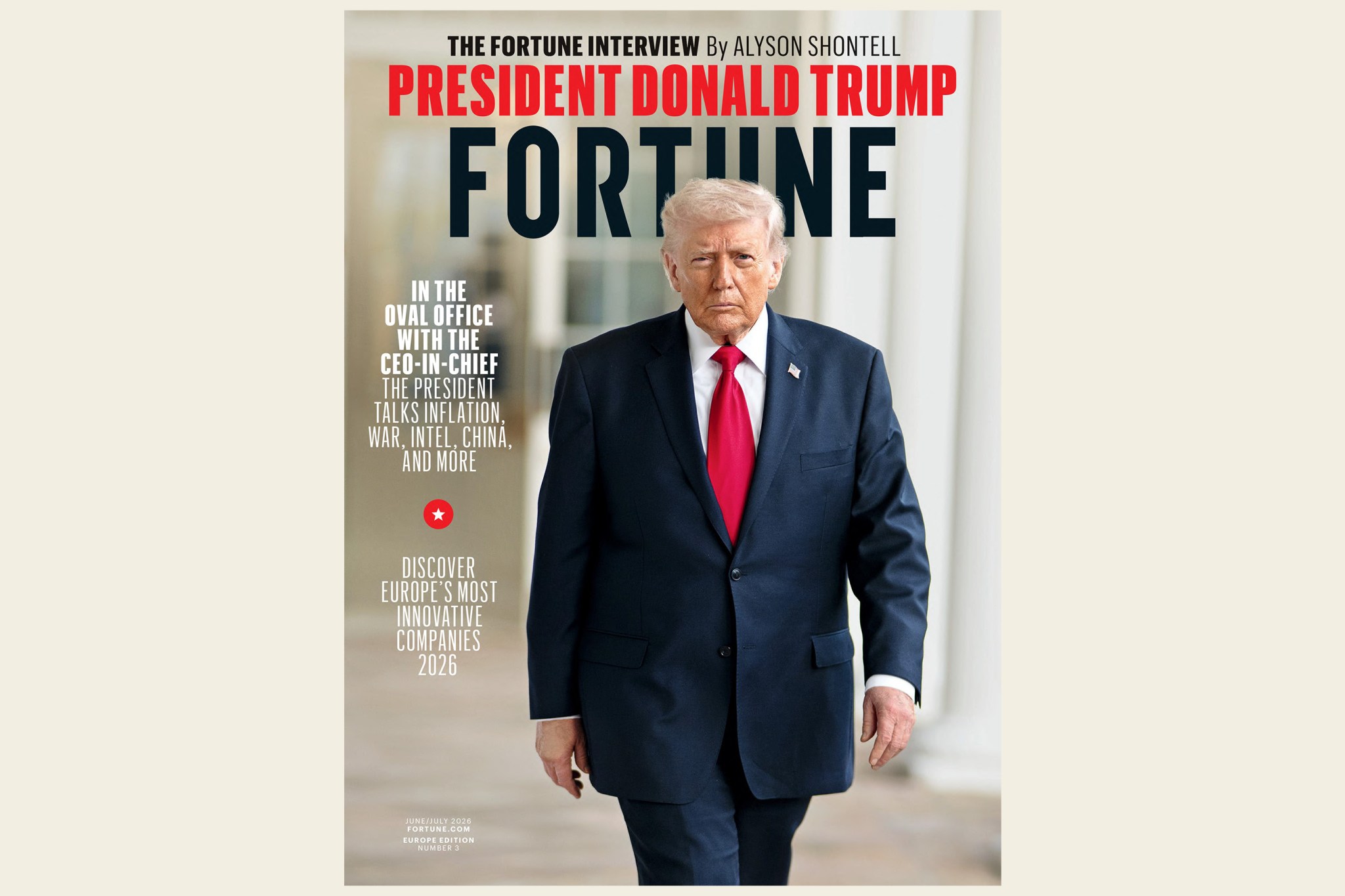
Europe is positioning itself as a serious innovation power amid global shifts driven by AI, economic nationalism, and geopolitical competition. The article emphasizes that Europe must adopt more ambitious strategic goals to capitalize on its current opportunity window in the global innovation landscape.
Europe faces a critical juncture as technological competition intensifies on the global stage. The convergence of AI advancement, rising economic nationalism, and geopolitical tensions has created both urgency and opportunity for European innovation strategies. Rather than following existing playbooks, European policymakers and industry leaders must expand their ambitions to compete effectively with established tech powers and emerging rivals.
Historically, Europe has positioned itself as a regulatory leader and quality-focused innovator, but this approach alone proves insufficient in a landscape dominated by rapid AI deployment and capital-intensive development. The geopolitical dimension adds pressure—nations increasingly view technological superiority as essential to economic and strategic sovereignty. Europe's fragmented market structure and regulatory frameworks, while ensuring consumer protections, have sometimes hindered the speed of innovation compared to more centralized competitors.
For investors and entrepreneurs, this moment presents significant implications. European tech ventures and AI initiatives may benefit from increased public and private investment if the region commits to more aggressive innovation targets. However, the current cautious approach risks talent and capital migration to regions offering faster regulatory pathways and larger capital pools. Developers and startups must navigate between Europe's robust safety standards and the competitive pressure to move faster than global competitors.
Looking ahead, the critical factor is whether European institutions and member states can align on ambitious, coordinated innovation strategies while maintaining regulatory coherence. Success requires balancing the region's strength in ethics and safety with genuine speed-to-market competitiveness. The next 12-24 months will likely reveal whether Europe can translate its stated ambitions into concrete policy changes and funding commitments.
- →Europe must expand its strategic vision beyond traditional regulatory leadership to compete in AI and innovation-driven markets
- →Geopolitical competition and economic nationalism are reshaping global innovation priorities across major economies
- →European fragmentation and cautious regulatory approaches create risk of talent and capital flight to faster-moving regions
- →The current moment offers a narrow window for Europe to establish itself as a serious innovation power alongside existing competitors
- →Coordinated, ambitious policy action at both EU and member-state levels is essential to capitalize on this opportunity