
Crypto Allies Gain Ground In Congress After Indiana Primary Win
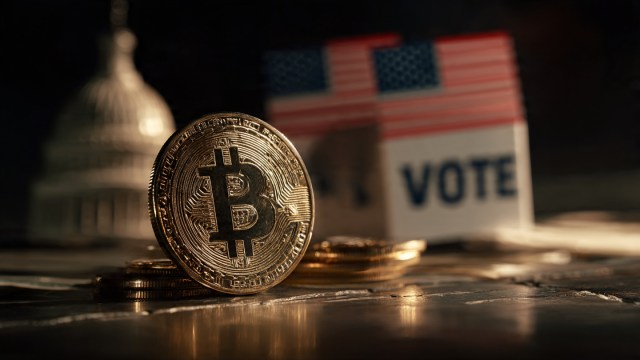
Fairshake, the cryptocurrency industry's leading political action committee, reported holding $193 million as of January and is rapidly deploying these funds to support crypto-friendly candidates. The victory of Indiana Republican James Baird in his primary demonstrates the growing political influence of the crypto sector in mainstream electoral politics.
The cryptocurrency industry's political mobilization represents a significant shift in how digital asset advocates approach regulatory influence. Fairshake's $193 million war chest exceeds typical PAC spending and signals a coordinated strategy to reshape congressional representation toward pro-crypto positions. This funding mechanism emerged as the industry faced increased regulatory scrutiny and sought allies in legislative bodies that shape crypto policy.
The Indiana primary victory serves as a data point in a broader trend where crypto-backed candidates gain traction within both major parties. This reflects the industry's evolution from fringe activism to institutional political participation. Fairshake's rapid deployment of capital suggests strategically targeted spending in races where crypto positions could influence outcomes, particularly in districts where blockchain policy may not dominate public discourse but significantly affects industry operations.
For market participants, increased congressional crypto-friendliness could reduce regulatory headwinds that have constrained trading platforms and institutional adoption. However, this political strategy also attracts counterattacks from consumer protection advocates and traditional finance interests, potentially creating legislative volatility. The $193 million investment demonstrates the industry views favorable regulatory outcomes as worth substantial capital allocation.
Investors should monitor how additional Fairshake-backed candidates perform in upcoming races, as electoral success translates to committee assignments and procedural influence. The critical question ahead is whether political gains translate into substantive legislative wins, or whether industry spending generates symbolic wins without concrete policy changes. Congressional composition shifts slowly, but if crypto-friendly candidates accumulate sufficient numbers, meaningful regulatory relief could emerge within 18-24 months.
- →Fairshake's $193 million political war chest represents unprecedented crypto industry spending to influence U.S. electoral outcomes
- →Indiana's primary result demonstrates crypto-backed candidates can achieve mainstream Republican primary success
- →Political mobilization by the crypto sector may reduce future regulatory barriers to institutional adoption and market expansion
- →The strategy reflects industry maturation from activism to institutionalized political participation with measurable funding commitments
- →Investors should track electoral outcomes in crypto-priority districts to assess likelihood of favorable legislative developments