
Federal Reserve releases weekly H.8 data on commercial bank assets and liabilities
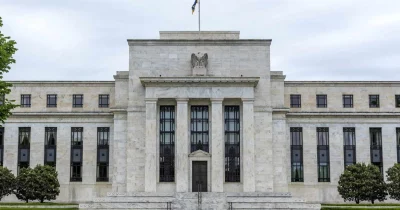
The Federal Reserve released its weekly H.8 data on commercial bank assets and liabilities, reflecting changes in bank reporting practices that may affect market transparency. These shifts in reporting standards have potential implications for cryptocurrency market dynamics and broader financial system visibility.
The Federal Reserve's H.8 statistical release serves as a critical barometer for the U.S. banking system's health, tracking assets, liabilities, and capital positions across commercial banks on a weekly basis. Changes to how banks report this data represent meaningful shifts in financial transparency standards that ripple through multiple markets. The evolution of reporting practices suggests regulatory bodies are adapting measurement methodologies to capture modern banking realities, potentially reflecting changes in how institutions structure their balance sheets or allocate capital.
Historically, H.8 data has been instrumental for macroeconomic forecasting and monetary policy analysis. Banks' lending patterns, reserve positions, and asset composition revealed through this data inform broader understanding of credit availability and economic momentum. As reporting practices evolve, the accuracy and comparability of historical data may be affected, requiring investors and analysts to recalibrate their analytical frameworks.
For cryptocurrency markets specifically, changes in traditional banking data reporting can indirectly influence crypto dynamics by altering how institutional capital flows through the financial system. Shifts in bank asset allocation, reserve requirements, or liability structures can affect the velocity of money supply and interest rate expectations, both of which influence institutional interest in digital assets. Additionally, improved transparency or methodology changes may reveal previously obscured patterns in how traditional finance interfaces with crypto markets.
Market participants should monitor whether these reporting changes reveal shifts in bank exposure to crypto-related services or digital asset custody. Understanding how legacy financial institutions are positioning themselves around cryptocurrency adoption provides context for broader institutional adoption trends and regulatory posture.
- →Federal Reserve H.8 data reflects evolving commercial bank reporting practices with implications for financial system transparency
- →Changes in reporting methodology may affect historical data comparability and require analytical framework adjustments
- →Banking sector reporting shifts can indirectly influence cryptocurrency market dynamics through capital flow patterns
- →Institutional positioning around crypto services may become more visible through updated H.8 reporting standards
- →Investors should monitor how traditional finance balance sheet changes correlate with crypto market movements