
Federal Reserve rolls out proposing rulemaking requiring stablecoin issuers to maintain customer identification program
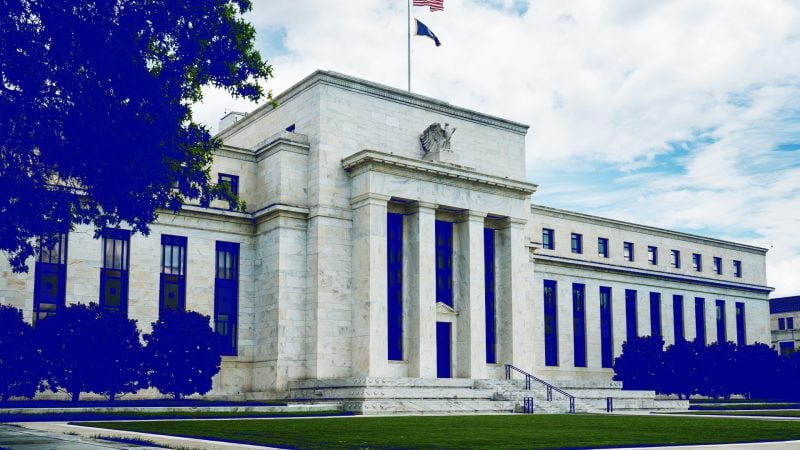
The Federal Reserve has proposed a new rule mandating stablecoin issuers to implement customer identification programs (KYC) to prevent illicit financial activities. This regulatory move represents increased government oversight of the stablecoin sector and reflects broader efforts to integrate cryptocurrency into traditional financial compliance frameworks.
The Federal Reserve's proposed rulemaking marks a significant escalation in regulatory scrutiny of stablecoin issuers. By requiring customer identification programs, the central bank aims to close potential gaps in anti-money laundering and illicit finance prevention that exist within the cryptocurrency ecosystem. This development reflects the Fed's recognition that stablecoins, despite their cryptocurrency classification, function increasingly as financial instruments requiring traditional banking-level compliance standards.
This regulatory movement follows years of congressional concern about stablecoins' role in facilitating untraceable transactions. The Fed's action also responds to the rapid growth of the stablecoin market, which has expanded from niche cryptocurrency circles into mainstream payment infrastructure. Prior to this proposal, many stablecoin issuers operated with minimal KYC requirements compared to traditional financial institutions, creating regulatory arbitrage opportunities.
The impact on the stablecoin industry is multifaceted. Larger, regulated platforms like Circle and Paxos already maintain KYC systems and face minimal compliance friction. Smaller or decentralized issuers, however, may encounter substantial implementation costs and operational constraints. This regulatory requirement effectively creates barriers to entry and consolidates power among established players, potentially accelerating industry consolidation.
Looking ahead, market participants should monitor the formal rulemaking timeline and implementation deadlines. The proposal's finalization could trigger a compliance wave across stablecoin platforms and potentially influence how other jurisdictions structure their own regulatory frameworks. Investors should also watch whether this rule addresses decentralized stablecoins differently, as enforcement mechanisms for non-custodial protocols remain unclear.
- →The Federal Reserve proposes mandatory customer identification programs for stablecoin issuers to combat illicit finance.
- →Larger regulated platforms face minimal additional burden while smaller issuers may face significant compliance costs.
- →The rule accelerates industry consolidation by creating barriers to entry for non-compliant operators.
- →Decentralized stablecoin protocols may face enforcement challenges under the new regulatory framework.
- →Implementation timeline and formal rule finalization will be critical factors for stablecoin market participants.