
FIFA bans commentator Jorge Vera for on-air criticism during World Cup
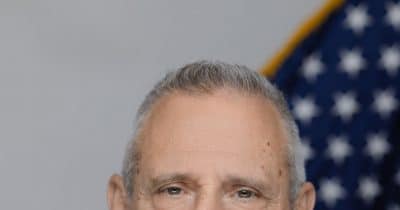
FIFA has banned commentator Jorge Vera for on-air criticism made during the World Cup, raising questions about the balance between press freedom and organizational authority in sports broadcasting. The incident highlights broader tensions over editorial independence in major sporting events and sets a precedent for how international sports bodies manage media relations.
FIFA's decision to ban Jorge Vera represents a significant assertion of institutional control over media narratives surrounding its flagship event. While the article provides limited specifics about Vera's exact comments, the action demonstrates how sports organizations increasingly view critical commentary as a threat requiring disciplinary measures. This approach contrasts sharply with journalism ethics principles emphasizing commentator independence and the public's right to informed analysis during major events.
The broader context reveals an escalating pattern where international sports bodies attempt to curate coverage aligned with their interests. FIFA has faced sustained criticism regarding tournament hosting decisions, labor practices, and governance issues—areas where commentators often provide scrutiny. By imposing bans, FIFA signals its intolerance for dissenting voices, which may discourage future critical analysis during World Cup broadcasts.
For the sports media industry, this precedent carries significant implications. Broadcasters and commentators face pressure balancing access to major events against editorial freedom, potentially creating self-censorship dynamics. Networks covering future tournaments may preemptively restrict commentary to avoid losing broadcast rights or credential access, fundamentally altering how audiences consume critical sports journalism.
The incident also raises questions about regulatory overreach in sports governance. As FIFA strengthens control mechanisms, commentators and networks must navigate whether challenging organizational decisions constitutes legitimate criticism or punishable offense. Moving forward, media organizations will likely clarify editorial policies with governing bodies, and commentators may face increasingly restrictive guidelines governing permissible on-air statements during international sporting events.
- →FIFA's ban on Jorge Vera exemplifies organizational efforts to suppress critical sports commentary during major events
- →The action signals potential self-censorship among broadcasters and commentators covering future World Cup tournaments
- →Sports media faces mounting pressure balancing event access against editorial independence from governing bodies
- →The incident reflects broader tensions between institutional control and press freedom in international sports coverage
- →Future commentators may operate under increasingly restrictive guidelines regarding permissible on-air criticism