
FIFA faces criticism over mandatory hydration breaks at 2026 World Cup
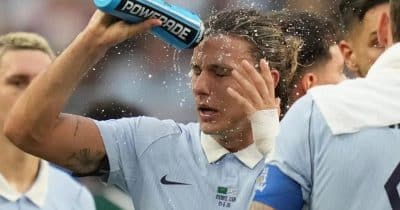
FIFA is facing criticism for implementing mandatory hydration breaks at the 2026 World Cup, with concerns that the policy prioritizes commercial interests over maintaining game integrity. The breaks could establish a precedent for altering fundamental structures of major sporting events based on sponsorship and broadcast considerations rather than competitive fairness.
FIFA's decision to introduce mandatory hydration breaks at the 2026 World Cup has triggered significant debate within sports governance circles. The policy raises fundamental questions about how major international sporting bodies balance player welfare with commercial pressures. While hydration management is legitimate from a health perspective, critics argue the implementation serves primarily to accommodate broadcast schedules and corporate sponsors seeking additional advertising windows during matches.
This controversy reflects a broader tension in modern sports between athlete safety and monetization. Previous World Cups have experienced extreme heat conditions, making hydration management a real concern. However, the timing and structure of these breaks suggest they may serve dual purposes that benefit stakeholders beyond player welfare. The precedent established at 2026 could influence how future mega-events structure their rules, potentially subordinating competitive integrity to commercial timelines.
For sports enthusiasts and governance observers, this signals how event organizers increasingly view major competitions as entertainment products first. The decision impacts leagues, athletes, and fans who may see rule modifications driven by revenue considerations rather than sport-specific needs. Sports betting markets and broadcast rights holders are particularly invested in maintaining predictable, controllable match structures.
Moving forward, watch whether other sports organizations adopt similar mandatory breaks citing player welfare while simultaneously locking in commercial benefits. The 2026 World Cup will serve as a test case for whether such policies gain acceptance or face regulatory pushback. Athlete advocacy groups and traditional sports governance bodies may increasingly challenge how commercial interests reshape fundamental competition rules.
- →Mandatory hydration breaks at 2026 World Cup prioritize commercial interests alongside player welfare concerns
- →The policy could establish precedent for future sports events to restructure rules based on sponsorship needs
- →Critics worry the breaks alter game integrity by introducing artificial stoppages tied to broadcast schedules
- →Decision reflects tension between athlete safety and monetization in modern international sporting events
- →Implementation serves multiple stakeholders including broadcasters, sponsors, and corporate partners simultaneously