
FIFA faces criticism over World Cup format ahead of key matches
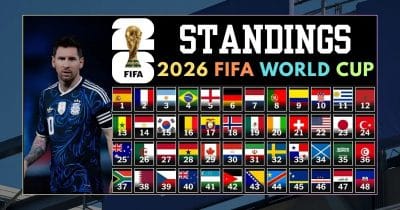
FIFA faces criticism over its expanded World Cup format, which critics argue may compromise competitive integrity by creating opportunities for collusion between teams. The format change raises concerns about fairness and spectator engagement ahead of upcoming key matches.
The FIFA World Cup format expansion represents a significant departure from the tournament's traditional structure, introducing complexity that governance experts worry could undermine the competition's foundational principles. The expanded format increases the number of participating teams and alters group dynamics, creating scenarios where teams might coordinate results rather than compete authentically. This criticism emerges from legitimate concerns about match-fixing incentives and the reduced elimination of lower-ranked teams, potentially leading to predetermined outcomes disguised as competitive play.
Historically, the World Cup has maintained a relatively consistent format designed to ensure merit-based progression and unpredictable outcomes that generate global interest. The expansion trend reflects FIFA's commercial ambitions to include more nations and expand revenue streams, prioritizing market growth over traditional competitive purity. Similar format expansions in other sports have occasionally faced comparable integrity challenges, though most ultimately adapted with safeguards.
The expansion affects stakeholders across multiple dimensions: broadcasters face uncertainty in content quality and viewership reliability, sponsors lose confidence in organic competitive drama, and betting markets confront increased manipulation risks. Fans also express concern that expanded participation dilutes competition quality by including teams substantially weaker than traditional participants, reducing match competitiveness and entertainment value.
Observers should monitor FIFA's regulatory response, including any integrity mechanisms introduced before key tournament phases. The organization must balance commercial expansion goals against competitive credibility. Watch for increased match-fixing investigations and whether FIFA implements advanced monitoring systems to detect suspicious betting patterns or coordinated play.
- →The expanded World Cup format creates structural opportunities for collusion between teams seeking mutually beneficial results.
- →Commercial expansion prioritizes revenue growth over traditional competitive safeguards and tournament integrity.
- →Broadcasters and sponsors face reduced confidence in organic competitive drama and authentic outcomes.
- →FIFA must implement integrity mechanisms to monitor suspicious betting patterns and coordinated play.
- →Format expansion mirrors broader sports trends balancing inclusive participation against merit-based competition.