
FIFA’s hydration breaks generate $23M in ad revenue during World Cup
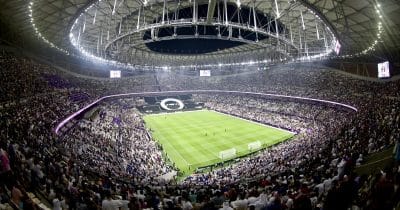
FIFA generated $23 million in advertising revenue by introducing hydration breaks during World Cup matches, exemplifying how sports organizations monetize game stoppages. The strategy reflects broader trends of commercializing athletic competition while raising questions about the integrity of sports broadcasting and player welfare.
FIFA's decision to implement hydration breaks during World Cup matches reveals the intersection of athlete health, regulatory requirements, and aggressive monetization strategies. The organization capitalized on mandatory stoppages—justified by player safety in hot climates—by selling premium advertising slots worth $23 million. This approach transforms what should be a functional pause into a revenue-generating opportunity, demonstrating how modern sports infrastructure prioritizes financial extraction.
The commercialization of hydration breaks fits within a decade-long trend of FIFA maximizing every aspect of tournament economics. Broadcasting rights, sponsorships, and stadium advertising have become increasingly sophisticated, but direct monetization of game time itself represents a new frontier. This strategy emerged from legitimate concerns about player fatigue and heat-related injuries, creating a socially acceptable rationale for breaks that serve primarily financial interests.
The market implications extend beyond FIFA's balance sheet. This precedent signals to investors that sports organizations can generate substantial revenue from previously unutilized assets—game stoppages themselves. Teams and leagues across football, basketball, and other sports are likely evaluating similar opportunities. The $23 million figure, while significant, represents just one tournament; annualized across global sports calendars, the cumulative potential reaches billions.
Looking forward, this creates tension between competitive integrity and revenue maximization. As hydration breaks become normalized, expect additional tactical stoppages to emerge, potentially disguised as health or safety measures. Stakeholders should monitor whether player welfare genuinely improves or becomes secondary to advertising schedules. The model may also attract sports blockchain platforms seeking to tokenize broadcast rights or create fan engagement opportunities around these commercialized moments.
- →FIFA generated $23 million in ad revenue by monetizing mandatory hydration breaks during World Cup matches
- →Sports organizations increasingly treat game stoppages as revenue opportunities rather than purely functional necessities
- →The strategy demonstrates how legitimate health concerns can justify financial exploitation of competitive integrity
- →Other leagues and sports properties will likely explore similar monetization strategies for game interruptions
- →Tension between player welfare claims and profit maximization may reshape how sports competitions are structured