
US lawmakers leave without extending FISA Section 702 authority
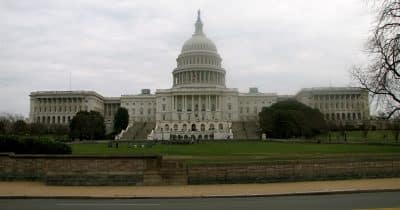
US lawmakers have allowed FISA Section 702 authority to lapse without renewal, triggering renewed debate over the balance between national security surveillance powers and privacy rights. This development could have indirect implications for cryptocurrency regulation and digital asset oversight.
The expiration of FISA Section 702 represents a significant moment in the ongoing tension between government surveillance capabilities and individual privacy protections. Section 702 has been a cornerstone of US intelligence gathering, enabling warrantless surveillance of foreign nationals' communications. The failure to extend it reflects deepening congressional divisions over how to modernize surveillance frameworks while addressing privacy concerns that have intensified in the digital era.
This lapse occurs within a broader context of heightened scrutiny on government data collection practices. Edward Snowden's revelations a decade ago catalyzed ongoing debates about surveillance scope, and recent years have seen growing bipartisan concern about unchecked monitoring capabilities. The cryptocurrency community has particular interest in surveillance policy, as digital asset oversight frequently intersects with privacy, financial monitoring, and government authority questions.
The practical impact on crypto markets and regulation remains indirect but noteworthy. Regulators rely on intelligence frameworks like Section 702 to detect financial crimes, including those involving digital assets. Any lapse in surveillance capabilities could temporarily weaken law enforcement's ability to track illicit cryptocurrency flows, potentially affecting regulatory confidence in AML/KYC frameworks. Conversely, privacy-focused cryptocurrency advocates may view this development favorably as it signals congressional reluctance to grant unchecked surveillance powers.
Looking ahead, the debate over Section 702's renewal will likely inform broader regulatory conversations about digital asset monitoring and privacy. Congressional gridlock on surveillance could delay or complicate new cryptocurrency regulations that depend on intelligence-sharing frameworks. Stakeholders should monitor the timeline for Section 702 reauthorization, as its eventual renewal could reshape how regulators approach cryptocurrency surveillance and compliance requirements.
- →FISA Section 702 authority lapsed due to congressional failure to renew the surveillance framework
- →The expiration intensifies ongoing debate between national security priorities and privacy rights
- →Cryptocurrency regulation may face indirect impacts as law enforcement surveillance capabilities temporarily weaken
- →Congressional gridlock on surveillance could delay new digital asset monitoring rules
- →Privacy advocates and crypto community members may view the lapse as a check on government monitoring power