
Foreign investment in US surges to $232B after four-year decline
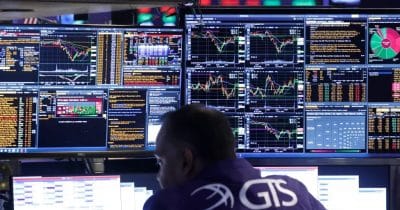
Foreign direct investment in the US surged to $232 billion, reversing a four-year decline and signaling renewed confidence in American markets. This capital influx reshapes sector allocation, influences cryptocurrency volatility, and reflects how tariff policies and geopolitical factors guide global investment decisions.
The $232 billion foreign investment surge represents a significant inflection point in global capital flows after years of contraction. This reversal suggests international investors view the US market as increasingly attractive despite macroeconomic uncertainties and trade tensions. The timing matters: this rebound likely reflects a reassessment of US competitiveness, technological leadership, and relative stability compared to other developed economies.
Historically, foreign direct investment serves as a barometer for economic confidence. The four-year decline preceding this surge coincided with heightened trade tensions, regulatory uncertainty, and shifting geopolitical dynamics. The current reversal indicates that despite ongoing tariff debates, major capital allocators believe long-term US opportunities outweigh short-term friction. Tariffs themselves may paradoxically encourage foreign investment as companies establish domestic operations to circumvent trade barriers—a classic protectionist policy feedback loop.
For cryptocurrency and digital asset markets, this development carries nuanced implications. Increased foreign capital flowing into traditional US assets can either compete with or complement crypto investments, depending on investor appetite and portfolio diversification strategies. Volatile crypto markets often react inversely to broad equity inflows and risk-on sentiment in traditional markets. The influx of foreign capital typically strengthens the dollar, which historically creates headwinds for crypto valuations.
Looking ahead, monitor whether this investment wave sustains or represents a temporary correction. Key indicators include sectoral distribution (tech, energy, finance), regulatory clarity on foreign ownership caps, and whether tariff policies stabilize or escalate. These factors will directly influence capital allocation decisions and subsequent effects on digital asset volatility.
- →Foreign investment reaches $232B, breaking a four-year downtrend and signaling renewed confidence in US markets.
- →Tariff policies may drive investment by incentivizing foreign companies to establish domestic operations.
- →Increased dollar strength from capital inflows typically creates headwinds for cryptocurrency valuations.
- →Sectoral composition of this investment wave will determine impacts on tech and emerging market segments.
- →Sustained foreign capital flows depend on regulatory stability and geopolitical trajectory in coming quarters.