
France boards oil tanker Tagor linked to Russian shadow fleet in Atlantic
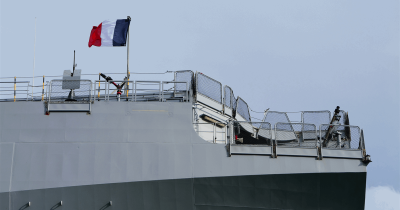
France's navy intercepted the oil tanker Tagor in the Atlantic Ocean, a vessel allegedly connected to Russia's shadow fleet used to circumvent international sanctions. This action represents an escalation in enforcement efforts against sanctions evasion and signals growing Western determination to disrupt Russia's alternative shipping networks.
France's boarding of the Tagor demonstrates a significant shift in how Western nations are enforcing sanctions against Russian energy exports. Rather than relying solely on diplomatic pressure or financial mechanisms, France has taken direct military action to interdict vessels suspected of sanctions evasion. This move reflects frustration with the effectiveness of existing enforcement tools and Russia's growing sophistication in circumventing traditional shipping restrictions through the use of aging, often uninsured vessels flagged to countries with minimal oversight.
The Russian shadow fleet has emerged as a critical workaround following Western sanctions imposed after the 2022 invasion of Ukraine. By using older tankers, flag-switching tactics, and disabled tracking systems, Russia has maintained substantial oil export revenues despite price caps and embargoes. France's naval intervention suggests that Western governments now view aggressive interdiction as necessary to prevent sanctions degradation and maintain credibility with allied nations dependent on energy security.
For financial markets and investors, this escalation carries mixed implications. It could temporarily disrupt global oil supplies, potentially supporting prices, while simultaneously raising geopolitical risk premiums across commodities and equities. Cryptocurrency markets may experience volatility given their sensitivity to macro uncertainty and risk sentiment shifts. Shipping and logistics companies face increased operational complexity and insurance costs when servicing high-risk routes.
Looking ahead, investors should monitor whether other NATO allies adopt similar enforcement strategies and whether Russia accelerates shadow fleet expansion in response. Additional naval interventions could trigger broader geopolitical escalation, affecting energy prices and risk asset valuations significantly.
- →France's military boarding of the Tagor signals active enforcement escalation against Russian sanctions evasion networks.
- →Russia's shadow fleet strategy increasingly relies on older, untracked vessels to bypass international oil sanctions and price caps.
- →Direct naval intervention represents a departure from passive financial enforcement mechanisms toward active interception tactics.
- →Energy markets face supply disruption risks and volatility from accelerating geopolitical tensions in Atlantic shipping lanes.
- →Cryptocurrency and risk assets may experience volatility as geopolitical risk premiums adjust to heightened enforcement intensity.