
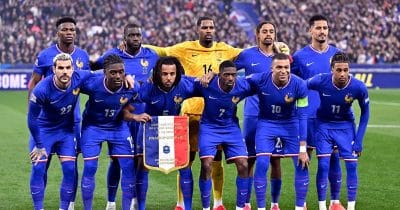
France has qualified for the 2026 FIFA World Cup Round of 32 in the expanded tournament format. The article notes that this advancement reflects the structural changes in the World Cup competition, which now impacts team strategies and fan engagement patterns.
France's qualification for the 2026 World Cup Round of 32 occurs within the context of FIFA's significant tournament expansion. The 2026 World Cup represents a departure from traditional formats, introducing 48 teams and a modified group structure that fundamentally alters competitive dynamics. This structural change creates a more complex qualification landscape where additional nations gain access to later tournament stages, reducing the traditional bottleneck of early elimination.
The expanded format emerged from FIFA's desire to increase global participation and generate additional revenue through extended tournament schedules. This decision reflects broader trends in sports management where inclusivity and commercial opportunity often outweigh competitive purity. France's early qualification demonstrates how the new format allows stronger teams to secure advancement while managing fixture congestion during international windows.
From an industry perspective, the expanded World Cup generates significant ripple effects across sports betting, media broadcasting, and sponsorship markets. The extended tournament window creates more matchdays and engagement opportunities, benefiting broadcasters and betting platforms seeking extended content cycles. For cryptocurrency and blockchain projects in the sports finance space, the expanded World Cup presents opportunities for fan engagement tokens, prediction markets, and decentralized betting platforms that leverage the increased tournament duration.
Looking ahead, the 2026 tournament will test how the expanded format affects traditional powerhouses and emerging nations. Team strategic approaches may shift given the modified group mechanics, potentially creating unexpected advancement patterns. The tournament's success or perceived shortcomings will inform FIFA's future format decisions, making this iteration a template-setting event for international football competition.
- →France qualifies for 2026 World Cup under the newly expanded 48-team format with modified group structure
- →The expanded tournament creates additional matchdays and extends engagement opportunities across media and betting platforms
- →Cryptocurrency-based sports finance platforms can leverage increased tournament duration for fan engagement and prediction markets
- →Team strategies must adapt to the modified qualification mechanics in the redesigned tournament format
- →The 2026 World Cup serves as a template-setting event that will influence FIFA's future tournament structural decisions