
French Navy seizes sanctioned Russian oil tanker Tagor in the Atlantic
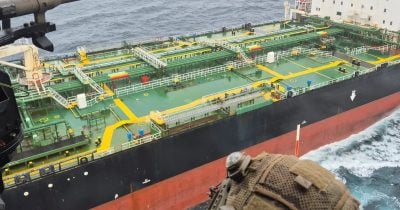
The French Navy intercepted the sanctioned Russian oil tanker Tagor in the Atlantic Ocean, demonstrating strengthened international enforcement of sanctions against Russia. The seizure reflects coordinated global efforts to restrict Russia's energy exports and signals potential disruption to Moscow's oil trade networks.
The French Navy's seizure of the Tagor represents a tangible escalation in sanctions enforcement mechanisms targeting Russian energy infrastructure. This action demonstrates that Western nations are actively interdicting sanctioned vessels on the high seas, moving beyond passive monitoring to direct intervention. The interception occurs within the broader context of secondary sanctions targeting Russian energy exports following geopolitical tensions, where maritime routes have become critical battlegrounds for economic warfare.
Historically, sanctions evasion in the oil sector relies heavily on flag changes, corporate shell structures, and informal insurance arrangements. The Tagor seizure signals that these traditional mechanisms are increasingly ineffective against coordinated naval operations. International collaboration among NATO allies and European nations has matured significantly, creating enforcement pressure that extends beyond territorial waters into international seas.
For cryptocurrency and blockchain markets, this development carries indirect implications. Energy-constrained Russia may accelerate exploration of alternative payment systems and asset transfers outside traditional banking, potentially increasing cryptocurrency adoption for sanctions circumvention. Conversely, stricter enforcement of conventional sanctions could reduce overall Russian economic activity and demand for speculative assets. Energy prices remain volatile based on supply disruptions, which historically correlates with risk-off sentiment affecting crypto markets.
Future developments to monitor include whether this seizure establishes a precedent for broader maritime interventions, how Russia adapts its shipping strategies through additional obfuscation, and whether other nations intensify similar operations. The sustainability of enforcement efforts depends on maintaining international consensus and naval resources dedicated to interception missions.
- →France's seizure of the Tagor demonstrates active enforcement of Russian energy sanctions beyond traditional channels.
- →International maritime collaboration is creating new barriers to traditional sanctions-evasion techniques in the oil sector.
- →Increased sanctions pressure may indirectly drive higher Russian cryptocurrency adoption for alternative value transfer.
- →Energy supply constraints from sanctions enforcement can influence broader risk sentiment affecting crypto markets.
- →The operation signals escalating geopolitical tension with potential long-term implications for global energy markets.