
Ipswich Town agrees terms with Gary O’Neil as new head coach
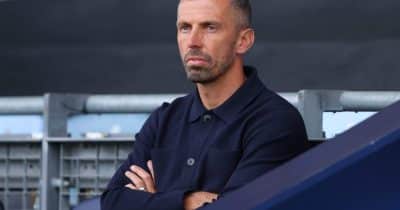
Ipswich Town has appointed Gary O'Neil as head coach, a decision that exemplifies how modern sports organizations leverage multi-club ownership networks to optimize talent allocation and resource efficiency across their portfolio companies.
Gary O'Neil's appointment at Ipswich Town represents a significant strategic move within the evolving landscape of multi-club ownership models in professional sports. The appointment demonstrates how consolidated ownership structures can facilitate coaching talent deployment across affiliated clubs, maximizing competitive advantage through centralized resource management and talent mobility. This approach mirrors broader trends in sports business where conglomerates acquire multiple clubs to create synergistic ecosystems.
The multi-club network model has gained prominence as ownership groups seek competitive advantage and financial optimization. By maintaining relationships with multiple clubs at various competitive levels, organizations can rotate experienced coaches, develop talent pipelines, and reduce hiring friction by drawing from trusted internal networks rather than open market recruitment. This reduces transaction costs and ensures cultural alignment across the organization's portfolio.
For stakeholders in sports business and investment, this signals continued consolidation within professional football. Investors increasingly view multi-club networks as value-creation engines, particularly in the context of talent development, youth academy optimization, and coaching staff utilization. The model allows organizations to test tactical innovations across different competitive tiers and identify emerging coaching talent before major promotions.
Going forward, this trend will likely intensify as ownership groups optimize their competitive portfolios. The success of O'Neil's tenure at Ipswich will influence whether other multi-club networks pursue similar coaching rotations. Stakeholders should monitor how effectively these network-based appointments translate to on-field performance and competitive outcomes, as the model's long-term viability depends on demonstrable results rather than structural efficiency alone.
- →Multi-club ownership networks enable efficient talent deployment and reduce coaching recruitment costs
- →Gary O'Neil's appointment reflects strategic resource optimization within consolidated sports portfolios
- →This model represents broader consolidation trends in professional football ownership structures
- →Network-based coaching appointments may become standard practice as ownership groups mature
- →Success metrics now include cross-organizational talent development and competitive synchronization