
Israeli airstrikes kill five in Gaza, including a child, as ceasefire collapses
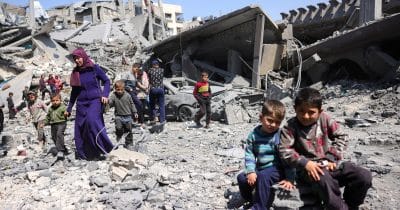
Israeli airstrikes in Gaza have killed five people, including a child, following the collapse of a ceasefire agreement. The resumption of military operations escalates the humanitarian crisis in Gaza and increases civilian casualties, deepening long-term trauma in the region.
The collapse of the ceasefire in Gaza represents a significant escalation in an ongoing regional conflict with broad geopolitical implications. The reported deaths of civilians, including a child, underscore the human cost of renewed military operations and highlight the fragility of diplomatic agreements in the region. This development reflects the persistent breakdown in negotiations and the inability of international actors to sustain peace arrangements in the Middle East.
The ceasefire's failure stems from deeper structural tensions between multiple parties with conflicting objectives. Previous agreements have similarly unraveled due to disputes over humanitarian access, prisoner releases, and reconstruction terms. The pattern of ceasefire-and-collapse cycles has become characteristic of the broader conflict, creating cyclical humanitarian crises that destabilize the region and surrounding areas.
For cryptocurrency and blockchain markets, geopolitical crises of this magnitude can trigger risk-off sentiment, typically benefiting safe-haven assets like Bitcoin while pressuring riskier altcoins. Regional instability may affect crypto adoption in affected areas and could influence regulatory responses from governments concerned about sanctions evasion or financial flows to conflicted regions. International institutions and policymakers may scrutinize crypto transactions more closely during humanitarian crises.
Observers should monitor how this escalation affects regional stability, humanitarian corridors, and international diplomatic efforts. The duration and intensity of renewed operations will determine broader market sentiment and potential regulatory actions. Extended conflict could accelerate discussions around digital assets for humanitarian aid and cross-border financial transfers in crisis zones.
- →Ceasefire collapse in Gaza results in renewed civilian casualties, including a child, escalating the humanitarian emergency.
- →Geopolitical instability in the Middle East typically triggers risk-off sentiment in cryptocurrency markets.
- →Regional conflict may increase regulatory scrutiny of crypto transactions related to sanctions and financial flows.
- →The cyclical pattern of failed ceasefires suggests ongoing volatility in the region with unpredictable duration.
- →International diplomatic and humanitarian responses will likely influence broader market sentiment and policy approaches.