
Geagea blames Hezbollah for Lebanon violence, signals potential de-escalation
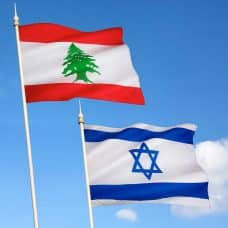
Lebanese political figure Geagea has publicly blamed Hezbollah for recent violence and signaled openness to de-escalation, potentially paving the way for diplomatic negotiations and disarmament efforts that could stabilize the region and alter geopolitical power structures.
Geagea's public statements represent a significant shift in Lebanon's internal political dynamics, particularly regarding the country's most heavily armed non-state actor. By directly attributing responsibility for violence to Hezbollah while simultaneously suggesting a pathway toward de-escalation, Geagea positions himself as a potential broker for regional stability. This dual messaging—accountability paired with diplomatic openness—creates conditions for negotiation that were previously absent.
Lebanon's political landscape has been defined by competing armed factions and external pressures from regional powers. Hezbollah's military capabilities have long complicated Lebanese sovereignty and international relations. Geagea's stance gains significance because it comes from a Christian Maronite leader with considerable political influence, suggesting potential cross-sectarian consensus on disarmament or at least reduced military tensions. This represents a departure from Lebanon's historical pattern of armed political competition.
For cryptocurrency and blockchain markets, Lebanese political stability carries indirect but material implications. Lebanon's financial system remains fragile, with capital controls and banking restrictions that have driven some adoption of cryptocurrency as an alternative financial mechanism. Reduced internal conflict could potentially ease international engagement and banking relationships, reducing the necessity for alternative financial channels. Conversely, instability continues driving crypto adoption among Lebanese citizens seeking financial sovereignty.
Observers should monitor whether Geagea's signals translate into concrete diplomatic mechanisms or multilateral talks. The success of any de-escalation effort depends on Hezbollah's response and international actors' willingness to support disarmament initiatives. Regional developments involving Iran, Israel, and Gulf states will significantly influence whether this moment crystallizes into lasting change or dissolves into further conflict.
- →Geagea's public blame of Hezbollah combined with de-escalation signals suggests potential diplomatic breakthrough in Lebanese politics.
- →Cross-sectarian political alignment on disarmament could reshape Lebanon's internal power dynamics and reduce armed factional competition.
- →Reduced internal conflict may stabilize Lebanon's banking system, potentially decreasing cryptocurrency adoption necessity among citizens.
- →International actors and Hezbollah's response will determine whether diplomatic signals translate into concrete disarmament agreements.
- →Regional geopolitical actors, particularly Iran and Israel, maintain significant influence over Lebanon's stability trajectory.