
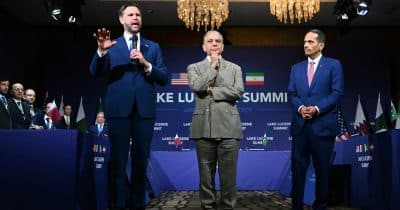
Gold prices declined as geopolitical tensions between the U.S. and Iran intensified during peace negotiations, with Trump issuing warnings that heightened market uncertainty. The movement reflects how traditional safe-haven assets respond to diplomatic volatility and shifting risk perceptions among investors.
Gold's recent decline during U.S.-Iran diplomatic tensions reveals how traditional and digital asset markets interpret geopolitical risk differently than conventional wisdom suggests. Historically, gold rallies during conflict or uncertainty as investors flee to safety. However, this episode demonstrates that market dynamics have evolved—when diplomatic pathways remain open, even with confrontational rhetoric, investors may reduce safe-haven positioning, viewing the situation as containable rather than escalatory.
The broader context involves decades of U.S.-Iran tensions punctuated by periods of negotiation. Trump's warnings during peace talks create a paradoxical signal: diplomacy suggests de-escalation, yet inflammatory language suggests heightened confrontation. This contradiction produces market whipsaw, as traders struggle to price in competing narratives about whether dialogue will succeed or fail.
For cryptocurrency and broader asset markets, this pattern matters significantly. Bitcoin and crypto assets increasingly serve as alternative safe-haven instruments, potentially capturing flows that might traditionally move into gold during extended crises. When geopolitical uncertainty peaks without clear resolution, digital assets often see volatility spikes. Conversely, if diplomatic breakthroughs emerge, risk-on sentiment could favor equities and other growth assets over both gold and crypto hedges.
Investors should monitor whether U.S.-Iran negotiations progress toward resolution or deteriorate into formal escalation. A sustained diplomatic failure would likely reverse gold's recent decline and trigger broader portfolio risk-off positioning across all asset classes.
- →Gold declined as Trump issued warnings during U.S.-Iran peace talks, signaling market uncertainty about whether diplomacy will succeed
- →Geopolitical tension with open diplomatic channels produces conflicting signals that increase volatility across traditional and digital assets
- →Cryptocurrency markets often mirror or amplify gold's safe-haven flows during extended geopolitical crises
- →Market interpretation of conflict risk has shifted—investors distinguish between open warfare scenarios and negotiation periods with heated rhetoric
- →Outcomes of U.S.-Iran talks will likely determine whether gold resumes safe-haven rallies or continues recent declines