
Goldman Sachs, Morgan Stanley cut oil forecasts as US-Iran tensions ease
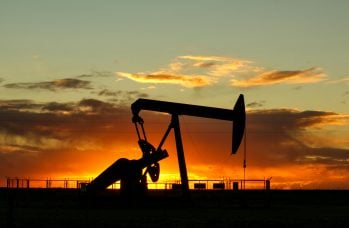
Goldman Sachs and Morgan Stanley have reduced their oil price forecasts following a de-escalation in US-Iran tensions. The easing geopolitical risk is expected to stabilize global oil markets and reduce the probability of sudden price spikes, supporting broader supply chain normalization.
The decision by major investment banks to cut oil forecasts reflects a significant shift in geopolitical risk assessment. When US-Iran tensions were elevated, markets priced in the potential for supply disruptions and sudden price volatility, creating a geopolitical risk premium embedded in crude valuations. As diplomatic pressures ease, this premium faces compression, justifying downward forecast revisions from institutions like Goldman Sachs and Morgan Stanley whose views significantly influence market expectations.
This development connects to broader patterns of Middle Eastern stability affecting global markets. The region remains strategically critical for oil production and shipping routes, making even minor escalations or de-escalations material to energy markets. Previous tensions had created uncertainty that rippled across commodities, equities, and even cryptocurrency markets, which often correlate with traditional risk-off sentiment during geopolitical crises.
Lower oil price expectations carry dual implications for markets. For consumers and energy-dependent industries, softer crude costs reduce inflationary pressures and support economic growth. However, energy stocks and oil-producing nations face headwinds from diminished commodity prices. Cryptocurrency markets may benefit from reduced macroeconomic uncertainty and lower inflation expectations, potentially supporting risk asset appetite more broadly.
The path forward depends on whether this de-escalation proves durable or represents a temporary reprieve. Investors should monitor diplomatic developments, OPEC production decisions, and broader geopolitical flashpoints that could reignite oil price volatility. The stability signal from major banks suggests confidence, but energy markets remain sensitive to unexpected shifts in Middle Eastern relations.
- →Goldman Sachs and Morgan Stanley lowered oil forecasts due to easing US-Iran tensions and reduced geopolitical risk premiums.
- →De-escalation removes uncertainty from global supply chains and reduces the probability of sudden crude price spikes.
- →Lower oil prices support broader economic growth and inflation expectations, benefiting risk assets including cryptocurrencies.
- →Energy stocks and oil-producing economies face pressure from weakened crude valuations despite improved geopolitical stability.
- →Durability of this de-escalation remains critical; diplomatic reversals could quickly re-inject volatility into energy markets.