
A new experiment brings better group meetings to Google Beam
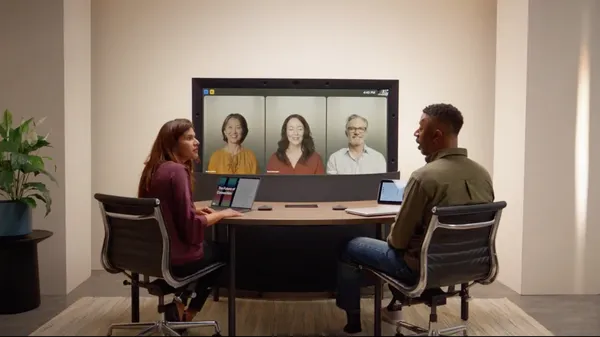
Google is experimenting with enhanced video conferencing features in Google Beam to improve hybrid meeting experiences through better visual and audio representation of remote participants. The update aims to make virtual meetings feel more natural and inclusive by displaying colleagues in true-to-life size and sound quality.
Google's investment in improving Google Beam reflects the persistent challenge of making hybrid work environments feel genuinely connected. As remote and hybrid work have become standard across industries, the limitations of traditional video conferencing—compressed video feeds, poor spatial audio, and disconnected participant presence—remain friction points for global teams. This experiment represents Google's attempt to bridge the gap between in-person and virtual meeting experiences through technical refinement rather than revolutionary technology.
The move fits within a broader industry trend where major tech companies are competing to create more immersive communication platforms. Microsoft Teams, Zoom, and others have similarly invested in spatial computing and enhanced video quality features. Google's focus on true-to-life size and sound suggests the company is exploring solutions that could involve either higher-quality video compression, improved camera technology integration, or spatial audio enhancements—technologies that could eventually trickle into consumer products.
For enterprise customers and remote workers, this development matters because meeting fatigue and engagement remain significant challenges in hybrid environments. Better audio-visual fidelity can meaningfully impact productivity and employee satisfaction. The competitive pressure among tech giants to solve hybrid work better may accelerate innovation in video conferencing infrastructure, benefiting end users through faster improvements.
Looking ahead, the key question is whether Google will commercialize these improvements across its entire Workspace suite or keep them exclusive to Beam. The success of this experiment could influence hiring decisions for remote-first companies and impact the broader enterprise software landscape.
- →Google Beam gains enhanced video and audio features to make hybrid meetings feel more natural and connected.
- →The experiment targets persistent pain points in remote work including low-quality video compression and poor spatial audio.
- →This development reflects intensifying competition among tech giants to solve hybrid work engagement challenges.
- →Enterprise adoption could improve meeting participation rates and reduce remote work fatigue among distributed teams.
- →Success may drive faster innovation across Google Workspace and influence how companies approach hybrid work infrastructure.