
GOP senator urges US government to factor AI self-improvement risks into federal testing
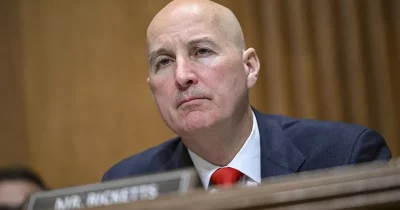
A GOP senator is advocating for the US government to incorporate AI self-improvement risks into federal testing protocols. The push for increased AI oversight could raise compliance costs for developers, potentially slowing innovation while creating regulatory misalignment with the cryptocurrency sector.
The senator's call for enhanced federal AI testing reflects growing congressional concern about artificial intelligence systems that can recursively improve themselves without human oversight. This proposal emerges as policymakers grapple with rapidly advancing AI capabilities that may outpace existing regulatory frameworks. The emphasis on self-improvement risks specifically targets scenarios where AI systems modify their own code or training processes, a frontier capability that poses unique governance challenges.
This regulatory push occurs within a broader context of increased government scrutiny on AI development. Congress has held multiple hearings on AI safety, while executive branch agencies explore guidelines for responsible AI deployment. The intersection with cryptocurrency regulation appears intentional, as both sectors operate in spaces where innovation velocity often exceeds regulatory adaptation. The senator's framing suggests concern that fragmented oversight could create opportunities for less cautious development approaches.
The practical impact tilts bearish for AI developers facing compliance burdens. Higher testing and certification costs disproportionately affect smaller teams and startups, potentially consolidating innovation around well-funded entities. The mention of regulatory gaps with crypto hints at deeper concerns about cross-jurisdictional arbitrage, where developers might exploit lighter regulatory zones. This dynamic mirrors existing crypto compliance challenges, where regulatory fragmentation creates market distortions.
Investors should monitor whether this proposal gains legislative momentum and how agencies might operationalize AI self-improvement testing standards. The timeline for regulatory codification remains unclear, creating uncertainty that could suppress investment in certain AI subsectors while potentially benefiting compliance-focused infrastructure companies.
- →GOP senator pushing for federal AI self-improvement risk testing in compliance protocols
- →Increased AI oversight could raise developer costs and potentially slow innovation pace
- →Regulatory gaps between AI and crypto sectors create compliance challenges and arbitrage opportunities
- →Stricter requirements may consolidate AI development around larger, well-funded organizations
- →Investors should track legislative progress on AI testing standards and agency implementation timelines