
US Central Command disables oil tanker in Gulf of Oman after blockade violation
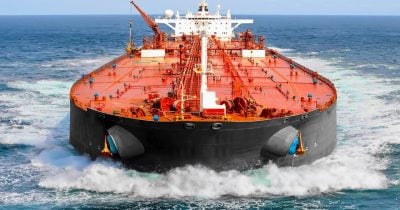
US Central Command disabled an oil tanker in the Gulf of Oman for violating a blockade, escalating regional tensions that could disrupt global energy markets and trigger increased regulatory pressure on cryptocurrency and digital assets as geopolitical risks mount.
The US military's intervention against the oil tanker represents a significant escalation in Gulf of Oman tensions, underscoring the fragility of critical global energy infrastructure. This incident occurs amid broader regional instability, where maritime chokepoints control substantial portions of worldwide oil supply. Such geopolitical friction historically correlates with commodity price volatility and flight-to-safety dynamics in financial markets.
The blockade violation and subsequent US response reflect deepening maritime disputes that have periodically disrupted energy markets over the past decade. These tensions typically emerge from regional power struggles, sanctions regimes, and competing naval interests. When energy security becomes compromised, traders reassess risk premiums across asset classes, including cryptocurrencies which often benefit from macro uncertainty and inflation concerns.
For crypto markets, this development carries dual implications. On one hand, oil market disruptions can trigger broader risk-off sentiment, pressuring speculative assets like digital currencies. Conversely, prolonged geopolitical tension and potential energy inflation may support hard assets including Bitcoin as inflation hedges. The article specifically notes accelerating regulatory scrutiny on digital assets—suggesting authorities may view crypto markets as vulnerable channels for sanctions evasion or capital flight during geopolitical crises.
Investors should monitor whether this incident escalates further or remains isolated. Sustained tensions could prompt additional regulatory frameworks targeting crypto's role in circumventing sanctions, potentially constraining market liquidity and institutional participation. Energy price movements will provide crucial signals about market expectations regarding supply disruptions and inflationary pressure.
- →US military action in Gulf of Oman signals escalating regional tensions affecting global energy markets.
- →Geopolitical crises typically trigger regulatory focus on cryptocurrency as authorities address sanctions-evasion risks.
- →Oil market disruptions create volatility across asset classes, affecting both commodities and digital currencies.
- →Prolonged tensions may strengthen crypto's appeal as an inflation hedge amid potential energy cost increases.
- →Investors should watch for regulatory announcements linking digital assets to geopolitical risk management concerns.