
Kuwait intercepts hostile aerial targets as Gulf tensions escalate, and crypto markets are watching
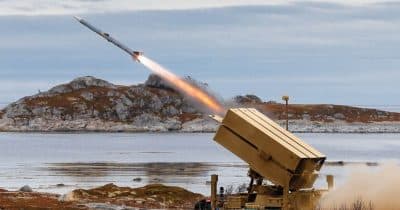
Kuwait intercepted hostile aerial targets as tensions escalate in the Gulf region, prompting cryptocurrency markets to monitor potential energy market disruptions. Geopolitical instability in energy-producing regions threatens global supply chains and could trigger risk-off sentiment affecting crypto valuations alongside traditional assets.
Kuwait's interception of hostile aerial targets signals deepening military tensions in the Persian Gulf, a region critical to global energy supply. The incident reflects broader geopolitical friction in the Middle East, where competing regional powers and proxy conflicts create persistent instability. This escalation matters because the Gulf produces approximately one-third of global crude oil, and any disruption to infrastructure or shipping lanes would immediately reverberate through energy markets.
Crypto markets typically exhibit high sensitivity to macroeconomic shocks and risk-on/risk-off cycles driven by geopolitical events. Energy price spikes trigger inflation concerns, central bank policy adjustments, and portfolio rebalancing across asset classes. When oil prices surge due to supply disruptions, traditional equities often sell off, and investors reassess risk exposure across all volatile assets including cryptocurrencies. Additionally, higher energy costs directly impact mining profitability and network operations.
The market impact depends on escalation severity. A contained incident produces temporary volatility, while sustained regional conflict could drive oil above $100 per barrel, forcing central banks to reconsider rate trajectories and triggering broader financial stress. Crypto investors should monitor crude oil futures, geopolitical risk indices, and statements from major oil-producing nations.
Looking ahead, watch for additional military incidents, statements from Iran or U.S. allies, and any disruptions to the Strait of Hormuz, which channels 20% of global petroleum. Market participants should track correlations between WTI crude, traditional equities, and Bitcoin—historically, Bitcoin increasingly tracks equities during acute macro stress events.
- →Kuwait's aerial interception signals escalating Gulf tensions with potential consequences for global oil supply
- →Crude oil disruptions trigger inflation concerns that reshape monetary policy and cross-asset volatility
- →Crypto markets correlate with equities during geopolitical shocks, making energy prices an indirect but significant indicator
- →Mining profitability declines when energy costs spike due to regional supply constraints
- →Monitor the Strait of Hormuz and Iran-U.S. relations as key escalation indicators affecting both oil and crypto markets