
Gunfire reported as two vessels attempt to cross Strait of Hormuz
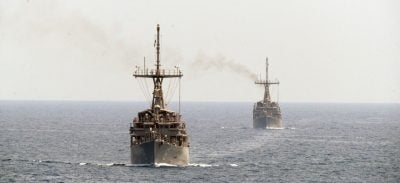
Gunfire has been reported near the Strait of Hormuz as two vessels attempt to cross this critical chokepoint for global energy trade. Escalating tensions in the region threaten to disrupt shipping lanes and could trigger broader geopolitical instability affecting energy markets and risk sentiment across financial assets including cryptocurrencies.
The Strait of Hormuz represents one of the world's most strategically vital maritime passages, with approximately 20-30% of global petroleum passing through its narrow channel daily. When military incidents occur in this region, they carry outsized significance for global markets. The reported gunfire incident between vessels underscores how quickly regional tensions can escalate into events with worldwide economic consequences.
Historically, disruptions in the Strait of Hormuz have triggered immediate responses across commodity and financial markets. Previous incidents involving Iranian Revolutionary Guard boats, tanker attacks, and military posturing have created supply uncertainty and driven oil price volatility. These supply shocks ripple through energy markets, affecting inflation expectations and central bank policy decisions globally. The cryptocurrency market, sensitive to macroeconomic shifts and risk-off sentiment, typically responds to geopolitical crises through increased volatility and capital flight patterns.
For cryptocurrency investors and traders, escalating Middle East tensions present a dual-edged scenario. Energy price spikes could reinforce inflation concerns, pressuring growth-sensitive digital assets. Conversely, geopolitical uncertainty often drives investors toward alternative assets, including cryptocurrencies, as hedges against traditional market disruption. Bitcoin has historically benefited from safe-haven demand during periods of elevated geopolitical risk.
Market participants should monitor naval activities in the region, sanctions developments, and oil price movements as leading indicators. Any confirmed military engagement or shipping disruptions could trigger immediate volatility across crypto markets, particularly affecting risk appetite for smaller-cap tokens. Sustained supply concerns would likely support assets perceived as inflation hedges.
- →Gunfire incidents at the Strait of Hormuz threaten critical global energy infrastructure and create immediate geopolitical risk.
- →Energy price spikes from supply disruptions can trigger inflation expectations and central bank policy responses affecting crypto markets.
- →Geopolitical uncertainty typically drives safe-haven demand, potentially benefiting Bitcoin and stable digital assets.
- →Regional escalation could create sustained volatility in risk-correlated crypto markets, particularly affecting growth-sensitive altcoins.
- →Monitoring shipping disruptions and oil price movements provides early signals for potential cryptocurrency market direction shifts.