
Arthur Hayes sells entire HYPE and NEAR positions, citing AI IPOs and US midterms
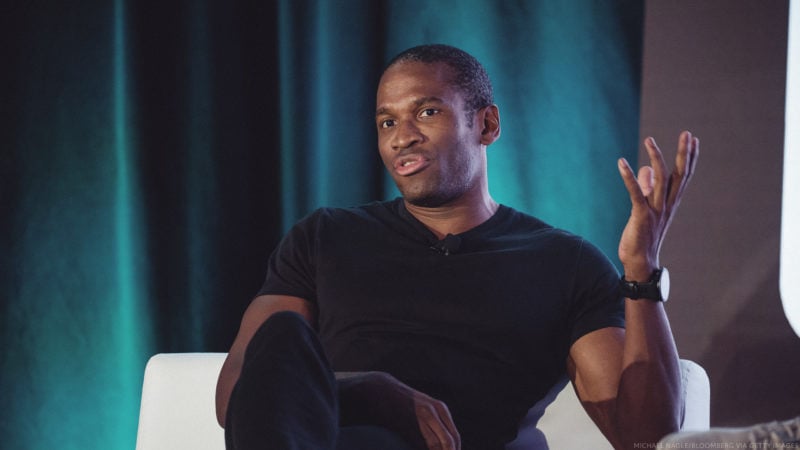
Arthur Hayes liquidated his entire positions in HYPE and NEAR tokens shortly after publicly endorsing them, triggering criticism from the crypto community. The move reflects Hayes' shifting market outlook toward AI IPOs and uncertainty surrounding the US midterm elections.
Arthur Hayes' rapid exit from HYPE and NEAR positions represents a significant credibility challenge in the crypto space, where influential figures wield outsized influence over retail investor decisions. The timing—selling days after public endorsements—raises questions about the distinction between genuine conviction and strategic positioning. Hayes' pivot toward AI IPOs suggests he sees traditional equity markets offering better risk-adjusted returns than these tokens in the near term, particularly as AI adoption accelerates and major corporations go public with AI-focused business models.
This situation exemplifies broader tensions in cryptocurrency markets where prominent investors and analysts simultaneously serve as price influencers and active traders. The backlash reflects growing sophistication among retail participants who increasingly scrutinize the gap between public statements and actual portfolio allocation. Hayes' concern about US midterm elections signals anxiety about regulatory outcomes that could impact crypto valuations, a legitimate but timing-sensitive consideration that may have motivated his exit strategy.
For HYPE and NEAR token holders, Hayes' departure removes near-term momentum from accumulation narratives while forcing reassessment of fundamental value propositions independent of celebrity endorsement. The incident highlights systemic risks in crypto markets where narrative-driven volatility often outweighs technical utility. Market participants must develop due diligence practices that verify claims independently rather than relying on influencer positioning as primary signals.
- →Arthur Hayes sold complete HYPE and NEAR positions days after publicly promoting them, raising questions about conviction versus strategy
- →Hayes cited AI IPO opportunities and US midterm election uncertainty as drivers for repositioning away from these tokens
- →The move demonstrates the credibility risk when influential figures' public statements diverge from actual trading actions
- →Token holders face selling pressure from Hayes' exit and potential narrative collapse independent of fundamental developments
- →Retail investors increasingly scrutinize influencer portfolio alignment with public recommendations as a diligence checkpoint